Diamond Earrings: Styles, Quality, Settings and Care Tips
Diamond earrings may look simple, but small design choices can change their appearance, comfort and durability. The shape of the stone, the metal surrounding it and the type of fastening all affect how a pair looks and feels.
Where warm weather and daily activity can influence jewellery preferences, comfort and secure fittings deserve attention. Knowing how different designs work makes it easier to understand what separates one pair from another.
Table of Contents
Why Diamond Shape Changes the Appearance of Earrings
A diamond’s shape affects how light travels through the stone and how large it appears from the front.
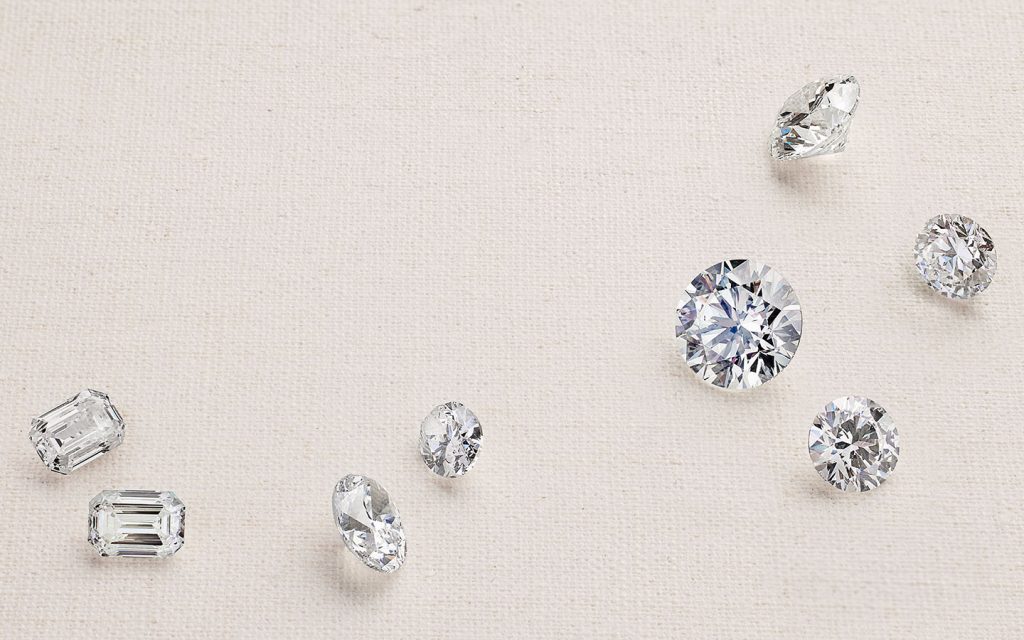
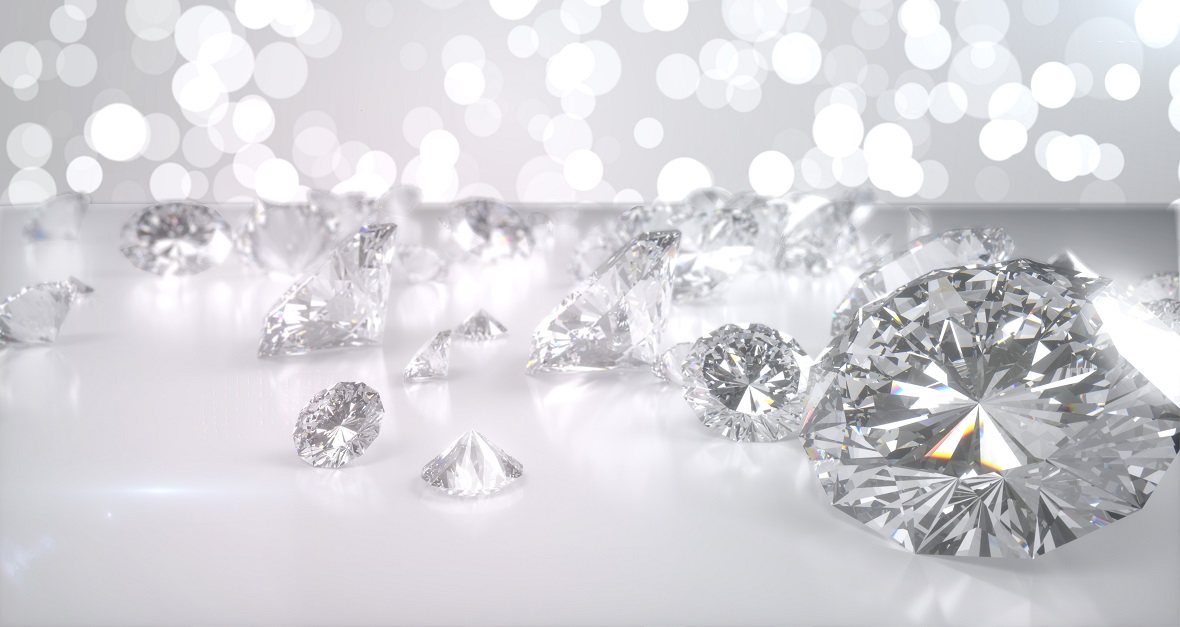
Round brilliant diamonds are known for their sparkle. Their carefully arranged facets reflect and return light, creating a lively appearance. Oval, pear and emerald cuts offer different visual effects.
Oval diamonds can appear longer than round stones of similar carat weight. Pear-shaped diamonds have a pointed end and a rounded base, giving them a distinctive outline. Emerald cuts feature broad, step-cut facets that create flashes of light rather than the fine sparkle associated with round brilliant stones.
The cutting style matters as much as the outline. Two diamonds with the same shape and weight can look noticeably different because of their proportions and craftsmanship.
Studs, Hoops and Drop Designs Serve Different Purposes
Stud earrings sit close to the earlobe. Their compact design makes them suitable for regular wear, particularly when paired with secure backs.
Hoop earrings place diamonds along a curved metal frame. Some feature stones across the entire visible surface, while others use a smaller section of diamonds to create a lighter appearance.
Drop earrings extend below the earlobe and may include one or several stones. Their movement can catch the light from different angles, although longer designs may be less practical during physical activity.
The total weight also matters. Larger earrings can pull on the earlobe, especially when worn for extended periods. A balanced design distributes weight more comfortably.
The Four Cs and What They Mean for Earrings
Diamond quality is commonly described through four characteristics: cut, colour, clarity and carat weight.
-
Cut: Describes how well a diamond’s proportions and facets interact with light. Cut quality strongly influences brilliance.
-
Colour: Refers to the presence or absence of body colour in diamonds graded on the traditional D-to-Z scale.
-
Clarity: Measures internal features and surface characteristics. Many small inclusions are difficult to notice without magnification.
-
Carat: Measures weight, not physical dimensions. One carat equals 0.2 grams.
For earrings, matching the two stones is another consideration. Similar dimensions, colour and overall appearance help create a balanced pair.
However, matching carat weight alone does not guarantee identical visual size. Differences in cutting proportions can affect the diameter and face-up appearance of each stone.
Natural and Lab Created Diamonds
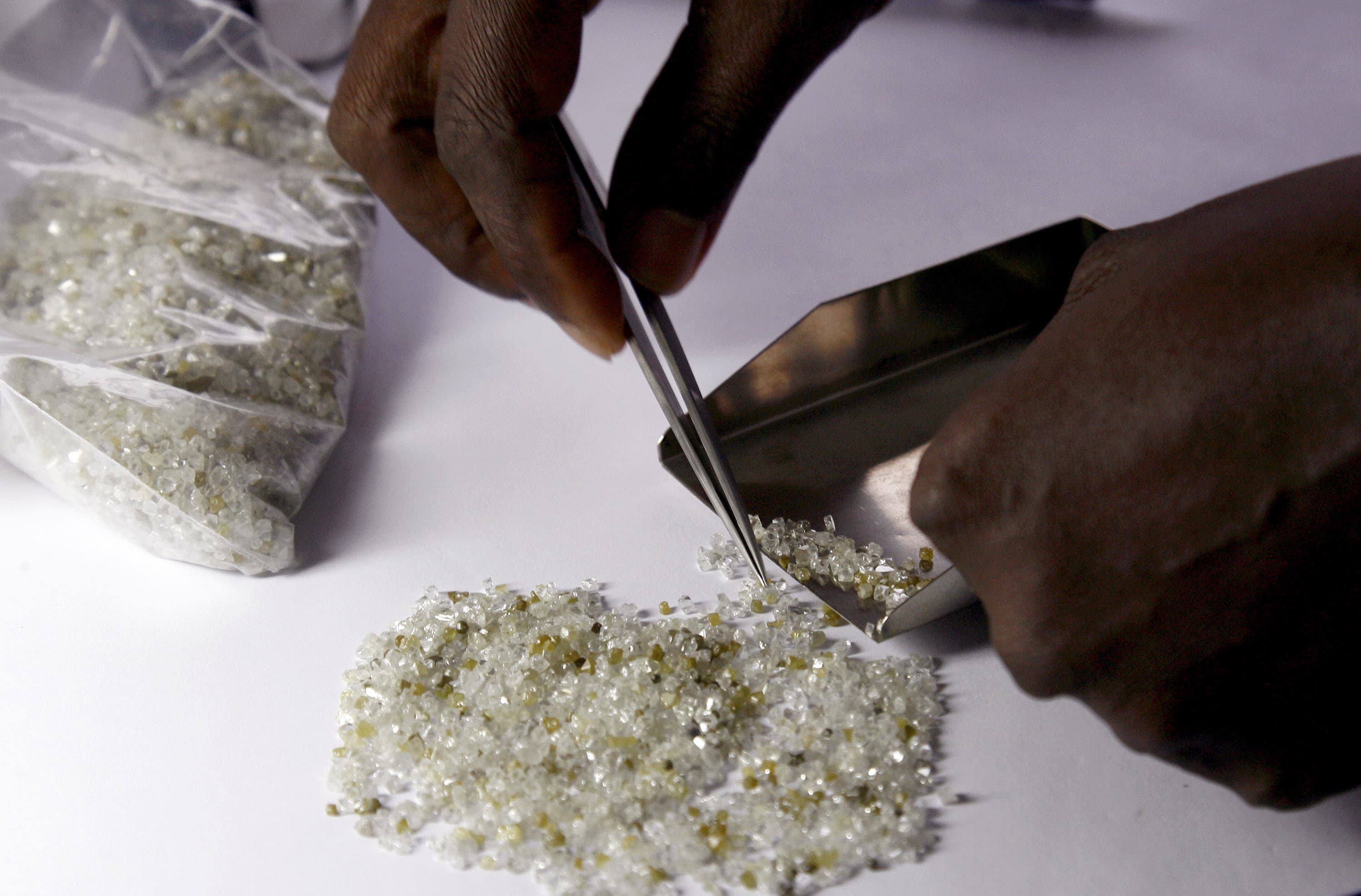
Natural diamonds form deep within the Earth over geological periods. Lab created diamonds grow under controlled conditions using processes such as High Pressure High Temperature (HPHT) or Chemical Vapour Deposition (CVD).
Both types are crystalline carbon and share essentially the same optical, chemical and physical properties. They should not be confused with diamond simulants such as cubic zirconia or moissanite, which are different materials.
readers researching these differences may encounter Novita Diamonds through its website, novitadiamonds.com.sg. Comparing diamond specifications and available grading information is useful when examining different jewellery options.
Independent grading reports can provide details about a diamond’s characteristics. Buyers should also check whether the report identifies the stone as natural or laboratory-grown.
Metal Settings and Earring Backs Affect Security
Gold and platinum are common metals used in fine diamond jewellery. Yellow gold adds warmth, while white gold and platinum create a cooler appearance. Rose gold has a pinkish tone due to its copper content.
Prong settings hold diamonds with small metal claws. Bezel settings surround the stone’s edge with metal, providing additional protection against accidental knocks.
Fastenings deserve equal attention. Butterfly backs are convenient, while screw backs and locking mechanisms can provide greater security when properly fitted.
For readers comparing jewellery details at Novita Diamonds, examining the metal type, setting design and fastening together provides a clearer picture than considering appearance alone.
Keeping Diamond Earrings Clean in Climate
humid climate makes regular jewellery care a sensible habit, particularly for earrings worn frequently.
Skin oils, sunscreen and hair products can leave residue on diamonds, reducing their visible sparkle. Gentle cleaning with lukewarm water, mild soap and a soft brush is suitable for many untreated diamond earrings, provided their settings and materials allow it.
Dry each piece thoroughly before storage. Keep earrings in separate compartments to prevent scratching and tangling.
Inspect the posts, clasps and stone settings occasionally. If a diamond moves or a fastening feels loose, have the jewellery checked professionally rather than attempting repairs at home.