Yellow Gold Engagement Rings: Details That Affect the Fit
Two rings can have the same diamond size and the same yellow-gold band yet look quite different on the hand. A raised setting may feel dramatic but catch on clothing. A narrower shank can make the stone appear larger, while a thicker one may feel steadier during daily wear.
For buyers in Singapore, especially those ordering a custom design, metal purity, diamond colour and wedding-band fit deserve as much attention as appearance.
Table of Contents
14K or 18K Gold Changes More Than the Colour
An 18K yellow-gold ring contains 75% pure gold, with other metals added for strength. A 14K alloy contains about 58.3% gold. 18K often has a richer yellow tone, although the shade depends on the alloy.
For daily wear, 14K may better resist dents and scratches. The softer 18K alloy can still serve well as an engagement-ring metal, provided the design is suitably made and cared for. Neither is scratchproof.
Ask to see the two alloys in daylight rather than judging from edited product images. If the wedding band is already purchased, compare them side by side: two pieces described as “yellow gold” may not have identical colour.
The Diamond’s Colour Can Look Different Once It Is Set
Yellow gold creates a warm frame around a diamond. That warmth can make slight colour in a stone feel intentional, but it can also influence how white the diamond appears, particularly near yellow-gold prongs.
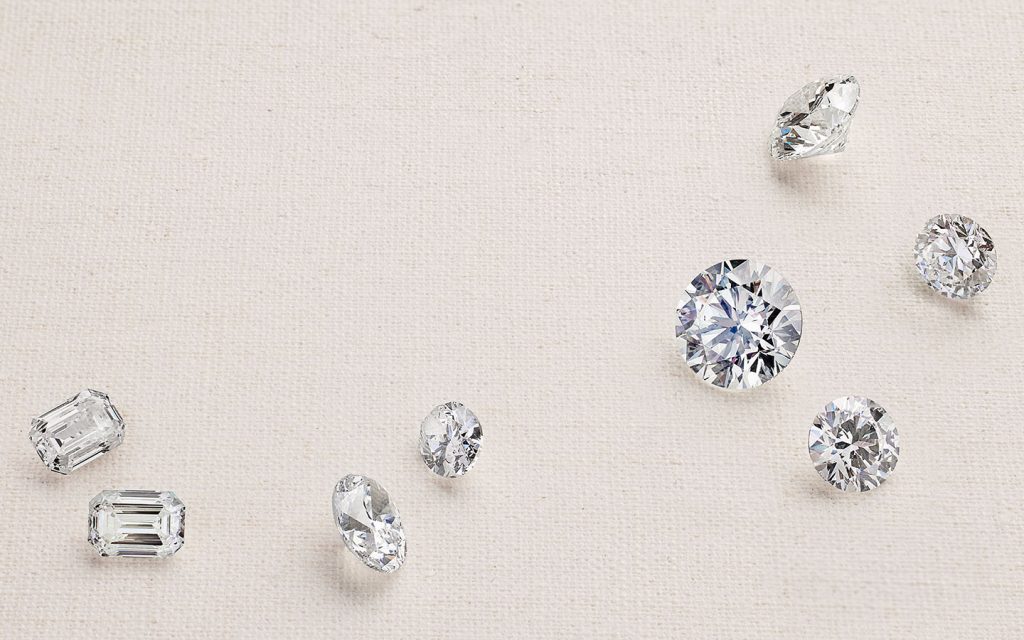
A diamond graded D–F is considered colourless on the conventional scale; G–J is near-colourless. Buyers who favour a cooler, whiter look can ask about platinum or white-gold prongs on a yellow-gold shank. This keeps the band warm without placing yellow metal immediately around the stone.
Cut quality deserves careful attention too. A well-cut diamond can look lively across different lighting conditions, whereas a high colour grade cannot make up for poor proportions or weak light return. With oval diamonds, inspect the darker bow-tie area across the centre; with pear or marquise shapes, check that the pointed ends have suitable protection.
Lab-grown diamonds have essentially the same optical and physical properties as mined diamonds, but their origin should be clearly disclosed. For any centre stone, ask for the relevant independent report and verify its number. Report formats differ: GIA now uses Premium or Standard assessments for qualifying colourless to near-colourless lab-grown diamonds rather than its natural-diamond grading terminology.
A Slim Band Should Still Have Enough Structure
A fine yellow-gold band often makes a centre diamond appear more prominent. Yet a slender ring with a large stone needs enough metal around the shoulders and beneath the setting to resist bending.
Compare an approximately 1.6 mm shank with one around 2.2 mm wide. The first gives a delicate outline; the second may feel more substantial and give the setting more support. Thickness, taper, alloy and workmanship also affect strength.
If the band narrows sharply near the diamond, ask to see its side profile. A photograph taken from above can hide a thin connection between the head and the shank. If future resizing is likely, ask whether the design allows it.
Setting Height Decides How the Ring Behaves
A high-set solitaire allows more space beneath the diamond and can sometimes accommodate a straight wedding band. It is also more exposed to knocks. A low-set stone sits closer to the finger and may be easier to wear under gloves, but the basket can obstruct a flush-fitting band.
Prong settings show more of the stone’s edge. Bezel settings surround its perimeter with metal, offering extra protection while giving a more defined outline. Pavé shoulders add sparkle but introduce small diamonds and tiny settings that need periodic inspection.
Think about ordinary movements: putting a hand into a bag, pulling on knitwear, or working at a desk. The most practical ring is not always the lowest one. Smoothly finished prongs and a comfortable underside can make a noticeable difference.
Check the Wedding Band Before Approving the Design
Many buyers select an engagement ring first and only later discover that a straight wedding band leaves an unexpected gap. Some people like the gap; others prefer a matched look.
Comparing the profile of a yellow gold engagement ring from Novita Diamonds with a plain wedding band can help reveal whether the two rings will sit closely together. For a low basket or wide centre setting, a contoured or notched wedding band may be the better fit.
Also consider where pavé stones end. Stones placed along the sides of two rings may rub against neighbouring metal or gemstones. Ask the jeweller to check how the pair will make contact during wear.
Questions Worth Settling Before Placing an Order
For a custom ring, request measurements rather than relying only on a rendering. Ask for the finished band width and thickness, the setting height, the exact gold purity and the metal used for the prongs. Confirm whether the centre stone shown in the design is the stone you will actually receive.
For purchases in Singapore, clarify how ring sizing works, whether a resize is included, and what happens if the design has pavé stones or an engraving. Check the expected production timeline against any proposal or ceremony date. If a lab created diamonds is selected, request the report details before the final approval.
Lastly, ask about maintenance after purchase. Yellow gold does not usually need the rhodium replating associated with many white-gold finishes, but it will develop fine scratches. Gentle cleaning with warm water, mild soap and a soft brush can remove everyday residue from a suitable diamond setting. A jeweller should inspect any prong that catches on fabric or any stone that feels loose before the ring is worn again.