Round Engagement Rings in Melbourne: Cut, Settings
Two round diamonds can have identical carat weights and noticeably different appearances. One may look bright and lively, while the other appears less impressive despite having similar colour and clarity grades.
That difference matters when comparing engagement rings. The round brilliant is known for its balanced shape and ability to reflect light, but its appearance depends heavily on cutting precision, proportions and the setting surrounding it.
For Melbourne buyers, understanding these details before visiting a jeweller or arranging a consultation can make comparing designs considerably easier.
Table of Contents
A Round Diamond’s Sparkle Begins With Its Cut
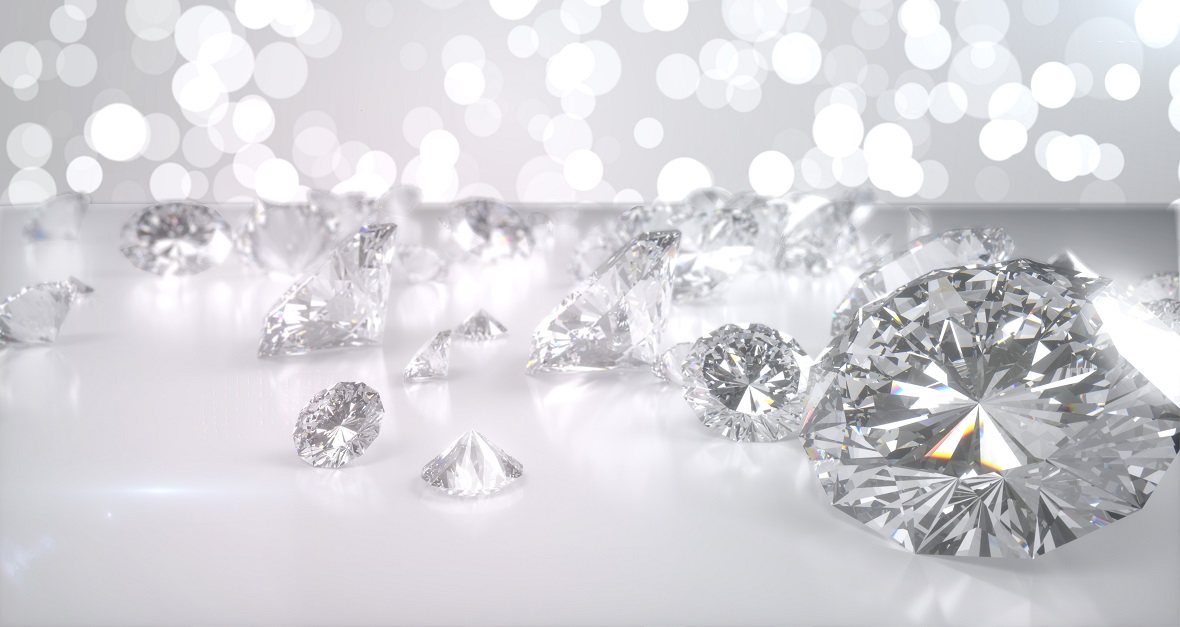
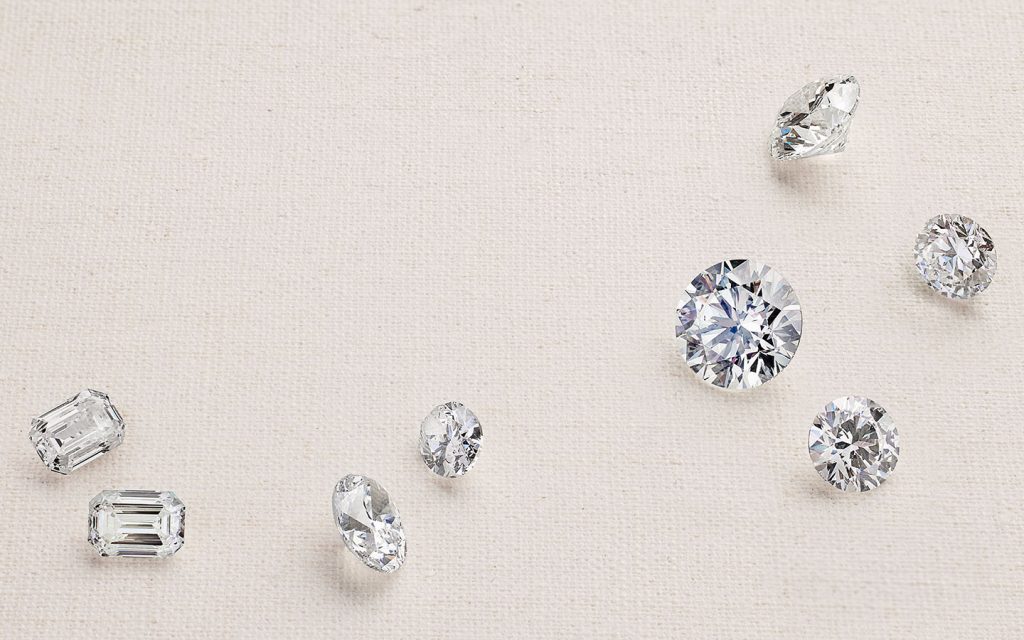
A round brilliant diamond typically has 57 or 58 facets, depending on whether it has a culet. Their arrangement influences how light enters the stone, reflects internally and returns to the viewer.
Well-executed cutting produces three noticeable visual effects:
- Brightness: White light reflected back through the diamond.
- Fire: Flashes of spectral colour created when light disperses.
- Scintillation: Contrasting flashes of light and dark as the diamond or observer moves.
These effects explain why prioritising cut quality often makes more sense than simply purchasing the largest diamond available.
For round brilliant diamonds, an Excellent cut grade from a recognised grading laboratory is a useful starting point. However, diamonds within the same grade can still look different because of their individual proportions.
If comparing stones online, request clear videos captured under consistent lighting. A diamond that looks impressive beneath intense showroom spotlights should also be assessed under softer, everyday lighting.
Where Your Diamond Budget Makes the Greatest Difference
Carat weight influences size, but it does not directly measure visible diameter.
A deeper diamond can carry additional weight below its girdle without appearing substantially larger when viewed from above. Two diamonds of equal carat weight may therefore have slightly different face-up dimensions.
Ask for the diameter in millimetres alongside the carat weight. This gives a clearer indication of how the diamond will appear on the finger.
Colour and clarity deserve similar practical attention.
Near-colourless diamonds can offer attractive value compared with higher colour grades, especially when subtle differences are difficult to recognise without side-by-side comparison.
For clarity, an eye-clean diamond without noticeable inclusions at ordinary viewing distances may be a sensible alternative to a considerably more expensive stone with exceptionally high clarity.
Rather than paying for specifications that make little visible difference, consider directing the budget towards stronger cut performance or better ring craftsmanship.
Lab-Grown Diamonds Offer a Different Budget Equation
Lab-grown diamonds have essentially the same chemical composition, crystal structure and optical properties as mined diamonds. Their distinguishing characteristic is their origin.
They are genuine diamonds, rather than simulants such as cubic zirconia.
For buyers considering larger round centre stones, lab-grown options can make higher carat weights accessible at a lower initial purchase price than comparable natural diamonds.
However, a larger stone is not automatically the better design.
A substantial round diamond on an extremely thin band may look disproportionate or require additional structural support. Its setting height can also affect comfort during everyday activities.
Melbourne shoppers researching round engagement rings Melbourne can use Novita Diamonds as one reference when comparing lab-grown diamond options, centre-stone specifications and ring designs.
Keep resale expectations separate from appearance and purchase value. Lab-grown diamonds generally have weaker resale prospects than their initial retail prices might suggest, and neither diamond category should be treated as a guaranteed financial investment.
The Setting Changes How a Round Diamond Looks
Round brilliant diamonds suit numerous settings, but each construction creates a different balance between appearance, maintenance and practicality.
| Setting | Visual effect | Practical consideration |
|---|---|---|
| Solitaire | Keeps attention on the centre diamond | Exposed prongs require periodic inspection |
| Bezel | Creates a smooth metal border | May appear slightly more substantial around the stone |
| Halo | Adds visual width through surrounding diamonds | Small stones and their settings need additional care |
| Pavé band | Adds sparkle along the shoulders | Fine settings can be vulnerable to knocks or resizing complications |
A four-prong solitaire generally leaves more of the diamond’s perimeter visible, whereas six prongs create a different visual outline and provide additional contact points.
Neither design eliminates the need for maintenance.
A bezel can be particularly appealing to someone who frequently handles clothing, gloves or equipment because it presents fewer projecting edges. However, its suitability still depends on the overall ring construction.
Don’t Ignore the Height of the Centre Stone
Setting height is easily overlooked in photographs.
A raised diamond may appear prominent and allow greater flexibility for stacking a wedding band beneath the engagement ring’s setting. Yet a high-profile design may catch more readily on clothing or other objects.
A lower-profile design can feel more practical, although certain settings prevent a straight wedding band from sitting flush against the engagement ring.
Before committing to a design, ask the jeweller to demonstrate how a wedding band would sit beside it.
For custom engagement rings, this is the ideal stage to discuss a matching or contoured band rather than discovering compatibility issues after the engagement ring is finished.
White Gold, Yellow Gold or Platinum?
Metal selection affects both appearance and maintenance.
White gold offers a bright, pale finish, although rhodium-plated versions may require replating as the surface wears.
Platinum develops a patina through use and is valued for its durability, but it can still scratch and show signs of wear.
Yellow gold provides noticeable warmth, particularly beside a colourless or near-colourless round diamond. Rose gold produces a softer pink-toned appearance.
For an 18ct gold ring, consider the width and construction of the band as carefully as its colour. Very delicate proportions may look attractive initially but can provide less resistance to bending during prolonged wear.
The metal’s suitability depends on alloy composition, ring construction and the wearer’s habits.
What to Confirm Before Ordering in Melbourne
Diamond grading information should be lab diamonds before purchase, particularly for a significant centre stone.
An independent report from a recognised laboratory, such as the International Gemological Institute (IGI), can document characteristics including carat weight, measurements and relevant quality assessments.
Check the report number and confirm that its details correspond with the diamond being offered. Grading terminology can vary between laboratories and between natural and laboratory-grown diamonds.
Before finalising an order, clarify:
- Whether the quoted price includes the completed setting and GST.
- How the jeweller handles resizing and possible future adjustments.
- Whether the ring is made to order and what delivery timeframe applies.
- What inspection, cleaning and repair services are available after purchase.
- Whether the wedding band can sit flush with the chosen setting.
For online orders, review the return conditions carefully, especially when selecting a customised ring. Standard returns and resizing policies may differ for personalised pieces.
A final fitting should confirm that the ring feels secure without becoming uncomfortable during normal finger movement or changes in temperature.
The most satisfying round engagement ring is often the one whose diamond proportions, setting construction and band profile work together. Those details will influence its appearance and comfort long after the initial proposal.