Lab Grown Diamond Pendants: Style, Quality and Everyday Wear
A diamond pendant can look beautifully balanced in a jewellery box and surprisingly different once it is worn. A stone that appears modest in a product photograph may feel quite prominent against the neckline, while a delicate chain can change how the entire piece sits.
This is why buying a lab created diamonds pendant involves more than selecting a carat weight. The diamond’s shape, setting, chain length and proportions all influence its appearance.
For someone planning to wear the necklace regularly, these details deserve as much attention as the diamond itself.
Table of Contents
The Size of the Diamond Isn’t the Whole Story
Carat measures a diamond’s weight, not its visible dimensions. Two diamonds of identical carat weight can appear different in size because of their shape and cutting proportions.
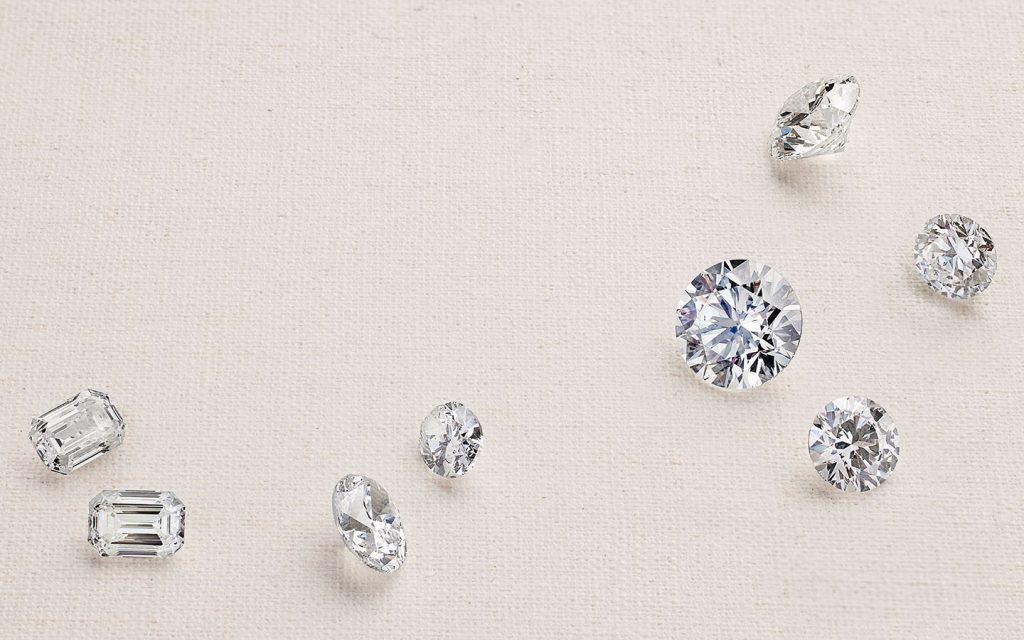
Round brilliant diamonds are particularly popular for solitaire pendants because their symmetrical shape works with various necklines. Oval and pear-shaped diamonds offer a more elongated appearance, which can make a pendant look visually larger without necessarily increasing its weight.
The setting changes this impression too.
A fine four-prong setting leaves much of the diamond visible, whereas a bezel setting surrounds its edge with metal. The bezel may create a slightly broader overall outline, even when the diamond itself is smaller.
Buyers comparing pendants should look at the stone’s dimensions in millimetres alongside its carat weight. Photographs showing the necklace being worn are considerably more useful than magnified product images alone.
A Good Setting Should Suit the Way You Wear Jewellery
The setting determines how securely the diamond is held and how much of the stone remains visible.
Prong settings allow light to reach the diamond from several directions and give a solitaire a delicate appearance. However, the claws need occasional inspection, particularly if the pendant is worn frequently.
Bezel settings provide a protective metal rim around the diamond’s perimeter. They are often a sensible option for someone who prefers jewellery that is less likely to catch on clothing.
A halo design creates a different effect, placing smaller diamonds around the central stone. It adds visual presence but also introduces additional settings that require cleaning and inspection.
For buyers exploring Lab grown diamonds pendants, comparing these setting styles alongside the stone specifications can help identify a design suited to both personal taste and everyday use.
Chain Length Can Change the Entire Appearance
A pendant’s position matters almost as much as its design.
A 40 cm chain generally sits relatively close to the base of the neck, while a 45 cm chain usually places the pendant slightly lower. A 50 cm chain creates a longer drop, although the exact position depends on the wearer’s build.
These lengths are useful starting points rather than fixed rules.
Someone who frequently wears open-neck shirts might prefer a different length from someone who normally wears high-neck jumpers.
The pendant’s weight should also be considered. A heavier diamond setting paired with an extremely fine chain may not offer the durability expected from everyday jewellery.
Look at the chain construction and fastening mechanism before ordering. A secure clasp and appropriately sized chain can make a substantial difference to how comfortably the necklace wears.
Diamond Quality Deserves a Closer Look
Lab-grown diamonds have essentially the same chemical composition and crystal structure as natural diamonds. Their laboratory origin does not remove the need to assess their appearance or quality.
Cut quality is particularly relevant because it influences how effectively a diamond reflects light.
Colour and clarity matter too, although buyers do not necessarily need the highest available grades to find an attractive stone.
For a pendant viewed at ordinary conversational distances, a diamond with no readily visible inclusions may be a more practical purchase than one selected purely for an exceptionally high clarity grade.
Independent documentation is useful for confirming the diamond’s identity and reported characteristics. Buyers should check which laboratory issued the report and what information it includes, as assessment systems are not identical.
Choosing a Metal That Works With the Design
White gold gives a diamond pendant a cool-toned appearance, while yellow gold creates a warmer contrast. Rose gold offers a softer pink-toned finish.
Platinum is another option, valued for its durability and naturally white appearance.
The metal decision should account for maintenance as well as colour. White gold jewellery may require rhodium replating over time, depending on its original finish and wear.
It is also worth checking whether the pendant and chain use matching metals, especially when purchasing them separately.
Details Worth Confirming Before Ordering
A well-chosen pendant should remain practical long after the initial excitement of receiving it.
Before placing an online order in the UK, confirm the chain length, metal fineness, pendant dimensions and whether the diamond has an independently issued assessment.
Ask whether the pendant can be removed from the chain and whether the clasp and setting can be inspected or repaired later.
Delivery arrangements, returns conditions and any exclusions for personalised jewellery should also be clear before payment.
For daily care, store the necklace separately to reduce tangling and scratching. Gentle cleaning with an appropriate jewellery solution can help remove oils and residue that reduce the diamond’s visible sparkle.
A pendant that sits comfortably, has a secure setting and suits the wearer’s usual clothing is far more likely to become a regularly worn piece than one selected by carat weight alone.