Blood Diamonds vs Lab-Grown Diamonds: A Better Choice for Modern Jewellery Buyers
For many jewellery buyers, a diamond represents love, commitment, and life’s most meaningful moments. Yet behind the sparkle, an important question often arises: where did that diamond come from?
As awareness grows, more people in the UK are researching blood diamonds before purchasing an engagement ring, wedding band, or fine jewellery. They want confidence that their purchase reflects their values as much as their personal style. Lab-grown diamonds offer an attractive alternative, combining exceptional beauty with responsible sourcing and certified quality.
Table of Contents
Understanding Blood Diamonds
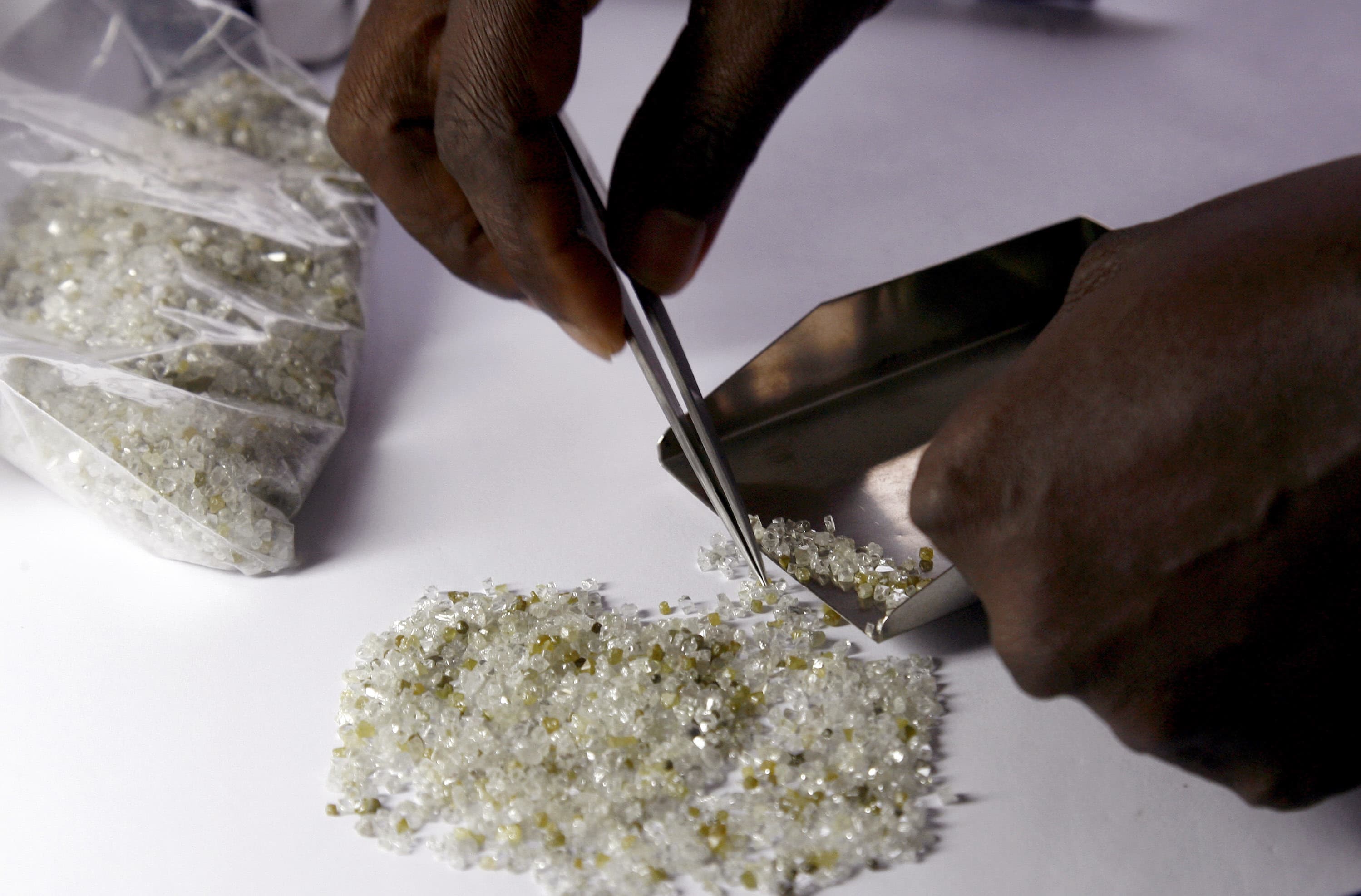
The term blood diamonds refers to diamonds mined in conflict regions and sold to finance armed groups or violent conflicts. These stones are also commonly known as conflict diamonds. Their trade has raised serious concerns about human rights, worker welfare, and ethical sourcing.
Today, many consumers search for information about blood diamonds because they want greater transparency before investing in diamond jewellery. Asking questions about a diamond’s origin has become a normal part of the buying journey rather than an afterthought.
Jewellery buyers increasingly expect brands to explain where their diamonds come from, how they were produced, and what standards they follow throughout the supply chain.
Why Lab-Grown Diamonds Are Gaining Popularity
Lab-grown diamonds are real diamonds created in advanced laboratories using technology that recreates the natural diamond-growing process. They share the same physical, chemical, and optical properties as mined diamonds.
For buyers looking beyond blood diamonds, lab-grown diamonds provide a modern solution without compromising brilliance or durability.
Some of the reasons UK customers choose lab created diamonds include:
- Ethical sourcing
- Exceptional sparkle and clarity
- Excellent value for money
- Certified diamond quality
- Reduced environmental impact compared with traditional mining
- Greater flexibility for custom jewellery designs
These qualities have made lab-grown diamonds increasingly popular for engagement rings, bridal jewellery, anniversary gifts, and everyday luxury pieces.
Blood Diamonds vs Lab-Grown Diamonds
| Feature | Blood Diamonds Concerns | Lab-Grown Diamonds |
|---|---|---|
| Origin | May involve conflict regions | Produced in controlled laboratory environments |
| Ethical Sourcing | Can raise human rights concerns | Transparent sourcing process |
| Diamond Quality | Varies | Identical physical and chemical properties to mined diamonds |
| Certification | Available from recognised laboratories | Available from recognised laboratories |
| Design Options | Extensive | Extensive, including custom engagement rings |
| Popular Uses | Fine jewellery | Engagement rings, wedding bands, diamond jewellery, personalised jewellery |
Ethical Jewellery Reflects Modern Values
Luxury has evolved. Many buyers no longer judge jewellery solely by size or price. They also consider craftsmanship, sustainability, and responsible sourcing.
Ethical jewellery allows people to celebrate important milestones while supporting more transparent practices. This shift has encouraged jewellery brands to invest in sustainable jewellery collections that balance beauty with accountability.
Lab-created diamonds have become a natural fit for people who appreciate timeless design while making informed purchasing decisions.
The Importance of Diamond Certification
Certification plays an essential role when purchasing diamond jewellery.
Independent grading laboratories evaluate important characteristics such as:
- Cut
- Colour
- Clarity
- Carat weight
A certified diamond gives buyers greater confidence and helps ensure they understand exactly what they are purchasing.
Whether selecting a solitaire engagement ring or a bespoke bridal jewellery set, certification remains one of the most valuable indicators of quality.
Choosing the Right Ring Setting
The setting shapes both the appearance and personality of a diamond ring.
Popular ring settings include:
Solitaire
A timeless design that places complete attention on the centre diamond.
Halo
Smaller surrounding diamonds create additional brilliance and visual impact.
Three-Stone
Often chosen to symbolise a couple’s past, present, and future.
Hidden Halo
A contemporary favourite that adds subtle sparkle beneath the centre stone.
These settings work beautifully with both natural and lab-grown diamonds, giving buyers plenty of flexibility when designing custom engagement rings.
Personalised Jewellery Creates Lasting Meaning
Modern fine jewellery is increasingly personal.
Many couples choose to customise details such as:
- Diamond shape
- Ring setting
- Precious metal
- Engraving
- Wedding band pairing
Personalised jewellery transforms an already meaningful purchase into something truly unique.
This growing demand has made custom engagement rings one of the fastest-growing categories within luxury jewellery.
Making an Informed Diamond Purchase
Research has become an important part of the buying experience. Many shoppers compare ethical sourcing, certification, craftsmanship, and long-term value before making a decision.
If you’re researching blood diamonds and want to understand how ethical alternatives compare, this detailed guide explains the topic clearly: blood diamonds.
Taking time to understand a diamond’s origin helps buyers choose jewellery they can wear with complete confidence.
Sustainable Craftsmanship and Fine Jewellery
Luxury jewellery is increasingly defined by responsible craftsmanship as well as exceptional design. From engagement rings and wedding bands to anniversary gifts and fine jewellery collections, buyers are choosing pieces that combine lasting beauty with ethical values.
Lab-grown diamonds allow skilled jewellers to create elegant designs without compromising quality or craftsmanship. As awareness continues to grow across the UK, ethical sourcing, certified diamonds, and personalised design are shaping the future of fine jewellery.