The Right Lab Grown Diamond Shapes for Every Setting and Style Preference
The diamond industry has changed dramatically over the past decade. Lab grown diamonds now offer an alternative to mined stones that is both affordable and ethically sound. These diamonds are created in controlled environments using advanced technology that replicates the natural diamond formation process. They share the same physical and chemical properties as earth mined diamonds. The only real difference is their origin. For German consumers looking for quality and value, lab grown diamonds present a compelling option. Understanding the various lab grown diamond shapes available helps buyers make informed decisions.
Table of Contents
How Lab Grown Diamonds Are Made
Lab grown diamonds start with a tiny diamond seed. This seed is placed in a chamber where extreme heat and pressure replicate the conditions found deep beneath the earth’s surface. Two primary methods exist for creating these diamonds. The first is High Pressure High Temperature (HPHT). This process mimics the natural volcanic conditions that form diamonds. The second method is Chemical Vapor Deposition (CVD). In this process, carbon rich gas breaks down and deposits onto the seed diamond layer by layer. Both methods produce diamonds that are optically and chemically identical to natural stones. Experts with specialized equipment must examine the diamonds to tell them apart from mined stones.
Understanding Lab Grown Diamond Shapes
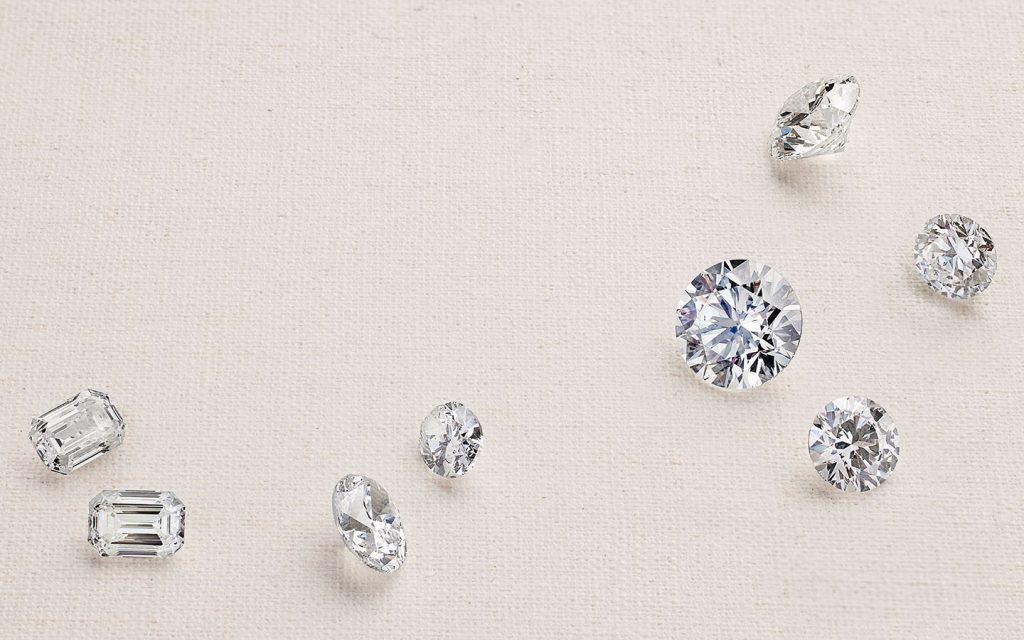
The shape of a diamond refers to its physical outline and faceting pattern. While round is the most popular shape, many other options exist. Lab grown diamond shapes range from classic rounds to fancy cuts like emerald and pear. Each shape interacts with light differently. Some shapes hide inclusions better than others. Some shapes appear larger for their carat weight. The choice of shape affects both the appearance and the price of the diamond. Buyers should consider their personal style alongside practical factors like brilliance and durability.
Round Brilliant Cut
The round brilliant cut remains the most popular diamond shape by a wide margin. This shape features 58 facets that maximize light reflection. Round diamonds produce more sparkle than any other shape. They also hide inclusions and color tints effectively. For those seeking maximum brilliance, this shape delivers consistently. Round brilliant diamonds cost more per carat than other shapes. This is because they require more rough diamond waste during cutting. German buyers often choose this classic shape for engagement rings.
Princess Cut
The princess cut is a square shaped diamond with pointed corners. This shape offers excellent brilliance and a modern appearance. Princess cuts typically cost less than round diamonds of similar quality. The square outline creates a distinctive look that appeals to contemporary tastes. This shape works well in four prong settings that protect the pointed corners. Buyers should note that princess cuts show color more readily than round diamonds. Choosing a higher color grade helps maintain a white appearance.
Emerald Cut
The emerald cut features a rectangular shape with cut corners. This shape emphasizes clarity over brilliance. Instead of sparkle, emerald cuts produce a hall of mirrors effect with long linear facets. This shape requires high clarity because inclusions become visible through the open table. Emerald cuts appear larger than round diamonds of the same carat weight. The classic Art Deco styling appeals to those who prefer understated elegance. German consumers who value clean lines often choose this shape.
Cushion Cut
The cushion cut combines a square or rectangular shape with rounded corners. This shape produces a soft romantic look reminiscent of antique diamonds. Cushion cuts come in two styles: standard and crushed ice. The standard version features larger facets that create broad flashes of light. The crushed ice version has smaller facets that produce a glittery sparkle. This shape hides color well, allowing buyers to choose lower color grades. Cushion cuts offer excellent value for their visual impact.
Oval Cut
The oval cut provides the brilliance of a round diamond with an elongated silhouette. This shape creates the illusion of longer fingers when worn as a ring. Oval diamonds appear larger than round diamonds of the same carat weight. The elongated outline flatters the hand and offers a unique alternative to traditional rounds. Buyers should watch for the bow tie effect. This is a dark area across the center that varies in intensity. Choosing a well cut oval minimizes this effect.
Marquise Cut
The marquise cut features a boat shaped outline with pointed ends. This shape maximizes carat weight appearance, making diamonds look larger than their actual size. The marquise shape has a dramatic vintage feel. This shape requires careful setting to protect the pointed tips. The elongated silhouette creates a flattering effect on the finger. German buyers seeking a distinctive look often consider this shape.
Pear Cut
The pear cut combines the round and marquise shapes into a teardrop outline. This shape offers brilliance similar to round diamonds with a unique silhouette. The pear shape creates a flattering elongating effect on the hand. The pointed tip requires protection through a V prong setting. Pear shaped diamonds should hang perfectly straight in pendants or earrings. The shape works well in both rings and drop earrings.
Factors That Affect Diamond Appearance
Each lab grown diamond shape presents unique considerations. Clarity requirements vary by shape. Emerald and asscher cuts need higher clarity grades because their open facets reveal inclusions. Round and princess cuts hide inclusions more effectively due to their brilliant faceting. Color sensitivity also differs. Round and cushion cuts mask color well. Emerald and princess cuts show color more readily. Buyers can adjust their quality priorities based on the chosen shape. A fancy shape may allow for lower clarity or color grades while still appearing beautiful.
Quality Considerations for German Buyers
German consumers have specific expectations when purchasing diamonds. The German market values precision and quality documentation. Lab grown diamonds come with grading reports from independent laboratories. The Gemological Institute of America (GIA) and International Gemological Institute (IGI) are the most respected certifiers. These reports provide detailed information about the 4Cs: cut, color, clarity, and carat weight. Buyers should review these reports carefully. The cut grade particularly affects a diamond’s beauty. For any shape, selecting an excellent or very good cut ensures maximum light performance.
Price Comparison Between Shapes
Lab grown diamonds cost significantly less than mined diamonds regardless of shape. However price differences exist between shapes. Round diamonds command premium prices due to cutting inefficiency. Fancy shapes like emerald, cushion, and princess offer better value. Buyers can often choose a larger diamond in a fancy shape for the same budget as a smaller round. This trade off appeals to many German consumers who prioritize size. The savings compared to mined diamonds allow buyers to upgrade to higher quality or larger stones.
Ethical and Environmental Benefits
Lab grown diamonds offer clear ethical advantages. They avoid the environmental disruption caused by open pit mining. The carbon footprint of lab created diamonds is significantly smaller than mined diamonds. Water usage and land disturbance are minimal in the production process. German consumers increasingly value these environmental benefits. Lab grown diamonds provide peace of mind about the origin of the stone. The supply chain is transparent and free from conflict diamond concerns.
Caring for Lab Grown Diamonds
Lab grown diamonds require the same care as mined diamonds. They are durable and resistant to scratching. Everyday wear does not damage these diamonds. Cleaning with warm water and mild soap keeps them brilliant. Ultrasonic cleaners are safe for most lab grown diamonds. However buyers should check with their jeweler about specific settings. Regular inspection of prong settings prevents stone loss. With proper care, lab grown diamonds will last for generations.
Final Thoughts on Shape Selection
Choosing a lab grown diamond shape involves both personal preference and practical considerations. Round diamonds offer maximum sparkle and classic appeal. Fancy shapes provide unique character and better value. The right shape depends on individual taste, intended setting, and budget. German buyers have access to a wide range of certified lab grown diamonds. These stones offer excellent quality without the ethical concerns of mined diamonds. The variety of lab grown diamond shapes ensures that every buyer finds an option that matches their style. Whether selecting a brilliant round or an elegant emerald, lab grown diamonds deliver beauty and value. The decision ultimately comes down to what appeals to the wearer. With proper knowledge of shapes and quality factors, buyers can choose confidently.