Blood Diamonds vs. Lab Grown Diamonds: Making the Ethical Choice
Table of Contents
Introduction: A Tale of Two Diamonds
The diamond industry has long been marred by the dark legacy of blood diamonds—stones mined in war zones and sold to finance armed conflict. In contrast, lab grown diamonds have emerged as a modern, ethical alternative, offering beauty without the burden of violence and exploitation. Understanding the difference between blood diamonds and lab grown diamonds is essential for any socially conscious consumer.
With rising awareness around human rights and environmental sustainability, more people are actively choosing lab grown diamonds over blood diamonds to ensure their jewelry reflects their values as well as their style.
What Are Blood Diamonds?
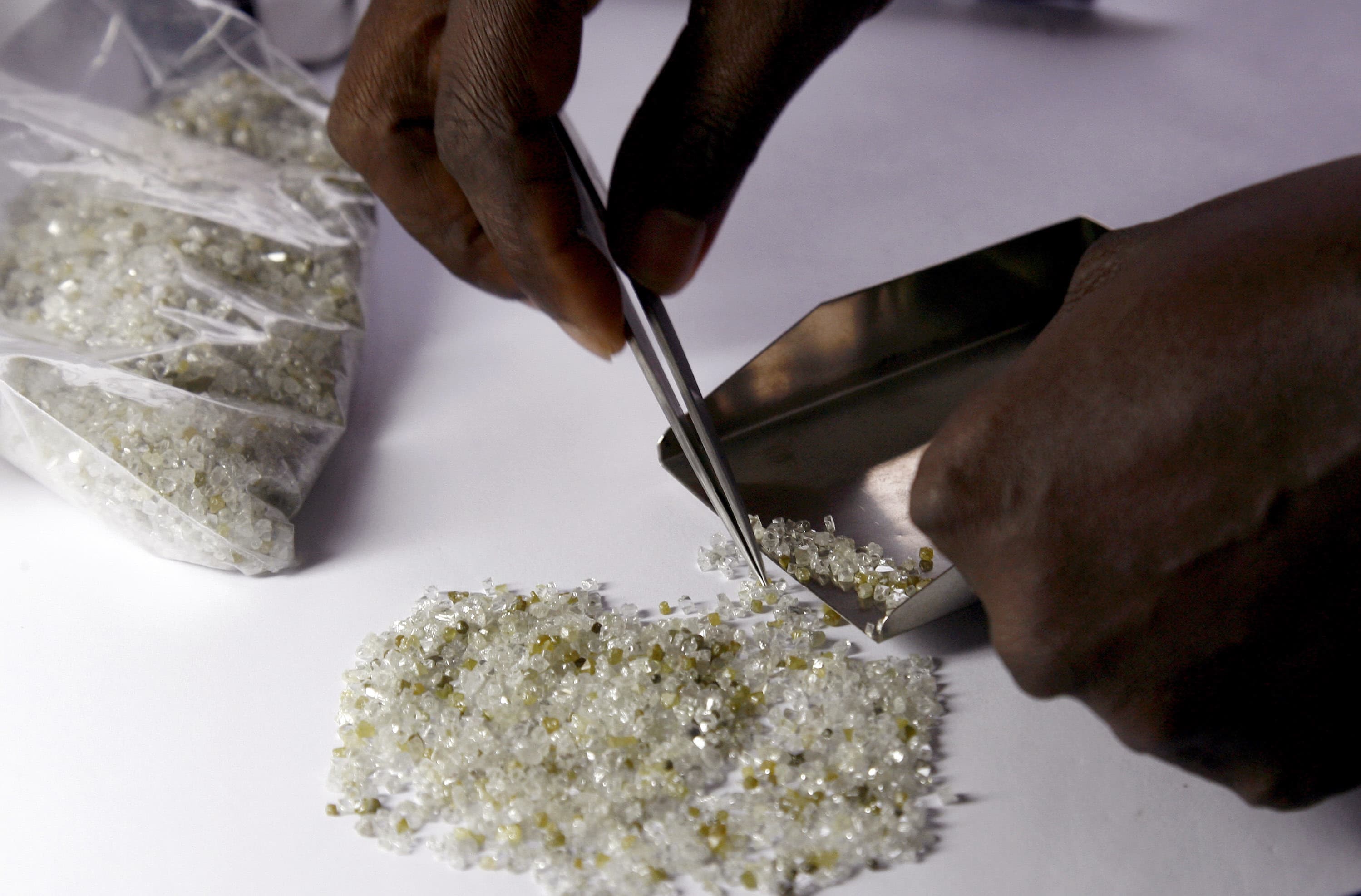
Blood diamonds, also known as conflict diamonds, are mined in areas controlled by rebel groups who use the proceeds to fund war and violence. These diamonds have historically come from parts of Africa and are associated with human suffering, child labor, and civil unrest. Despite international efforts like the Kimberley Process, many blood diamonds still slip through regulatory cracks.
In contrast, lab grown diamonds are created in controlled environments using cutting-edge technology, eliminating the risk of supporting unethical practices. Choosing lab grown diamonds helps prevent the demand that keeps the blood diamonds trade alive.
How Lab Grown Diamonds Are Made
Unlike blood diamonds, which are extracted from the earth through often dangerous and exploitative methods, lab grown diamonds are produced using two advanced techniques: High Pressure High Temperature (HPHT) and Chemical Vapor Deposition (CVD). These processes replicate natural conditions to form real diamonds that are chemically and visually identical to mined ones.
Because lab grown diamonds do not involve mining or conflict zones, they are entirely free from the human rights abuses associated with blood diamonds. This makes them the preferred option for ethical shoppers around the world.
The Environmental Impact
Mining for blood diamonds has devastating environmental effects, including deforestation, soil erosion, and water pollution. The search for these diamonds often leads to destroyed ecosystems and displaced communities. In comparison, lab grown diamonds have a significantly smaller environmental footprint, requiring less land and fewer resources.
Consumers who are concerned about sustainability and the planet are increasingly turning to lab grown diamonds as a cleaner, greener alternative to blood diamonds. Supporting eco-friendly jewelry has never been easier or more beautiful.
Cost Differences Between Blood and Lab Grown Diamonds
Ironically, despite their violent origins, blood diamonds are often priced similarly—or even higher—than ethical stones. This is due to outdated perceptions of rarity and value. However, lab grown diamonds typically cost 30–40% less than mined diamonds of comparable quality, making them both an ethical and economical choice.
By choosing lab grown diamonds over blood diamonds, buyers can enjoy better value while making a responsible decision that aligns with their moral compass.
Quality and Appearance
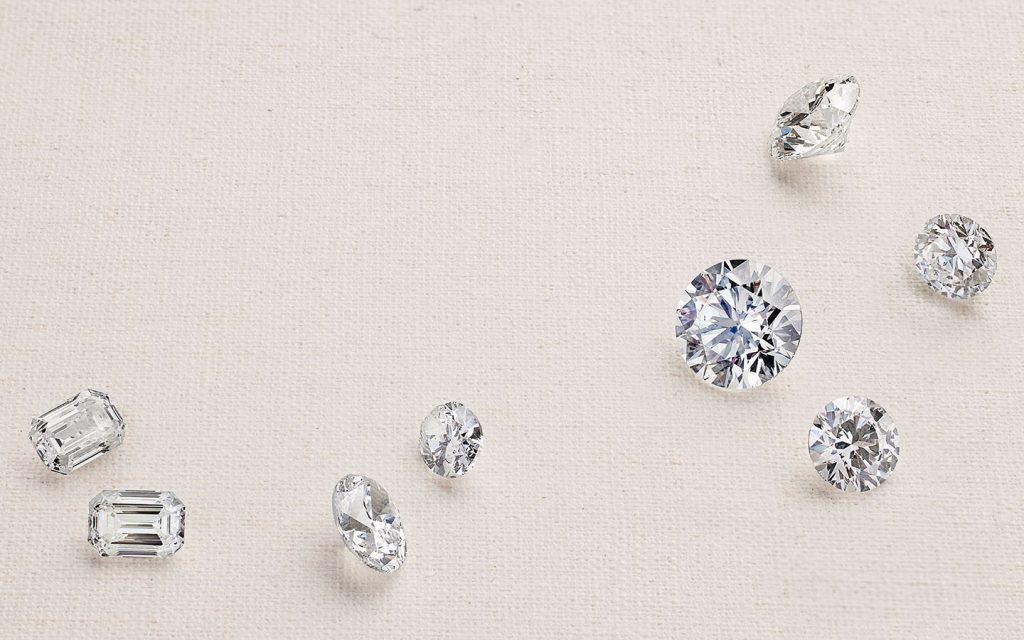
There’s a misconception that lab grown diamonds are somehow “fake” or inferior to mined stones, including blood diamonds. In reality, lab grown diamonds are real diamonds, identical in hardness, brilliance, and chemical structure. Even professional gemologists cannot distinguish between them without specialized equipment.
So while blood diamonds may come with a premium price and a hidden cost in human lives, lab grown diamonds deliver the same dazzling sparkle—minus the guilt.
The Kimberley Process: Is It Enough?
The Kimberley Process was established in 2003 to prevent blood diamonds from entering the global market. While it has helped reduce the trade, it has serious loopholes. It only addresses rough diamonds and doesn’t account for ethical concerns like forced labor or environmental damage. Some blood diamonds still make it into mainstream channels disguised as conflict-free.
This has led many conscientious consumers to avoid mined diamonds entirely. Lab grown diamonds offer a transparent alternative, free from the flaws and ambiguities of the Kimberley Process. They are traceable from lab to retailer, providing peace of mind that blood diamonds simply cannot offer.
Social and Economic Benefits of Lab Grown Diamonds
The production of lab grown diamonds supports advanced manufacturing jobs in clean, safe environments. These jobs are often located in high-tech labs in countries like the U.S., Canada, and India, where labor standards are better regulated. In contrast, the blood diamonds trade often relies on exploited workers and war economies.
When you choose lab grown diamonds, you’re supporting innovation, ethical employment, and economic growth in legitimate industries—not fueling cycles of violence as blood diamonds do.
Public Awareness and Cultural Shift
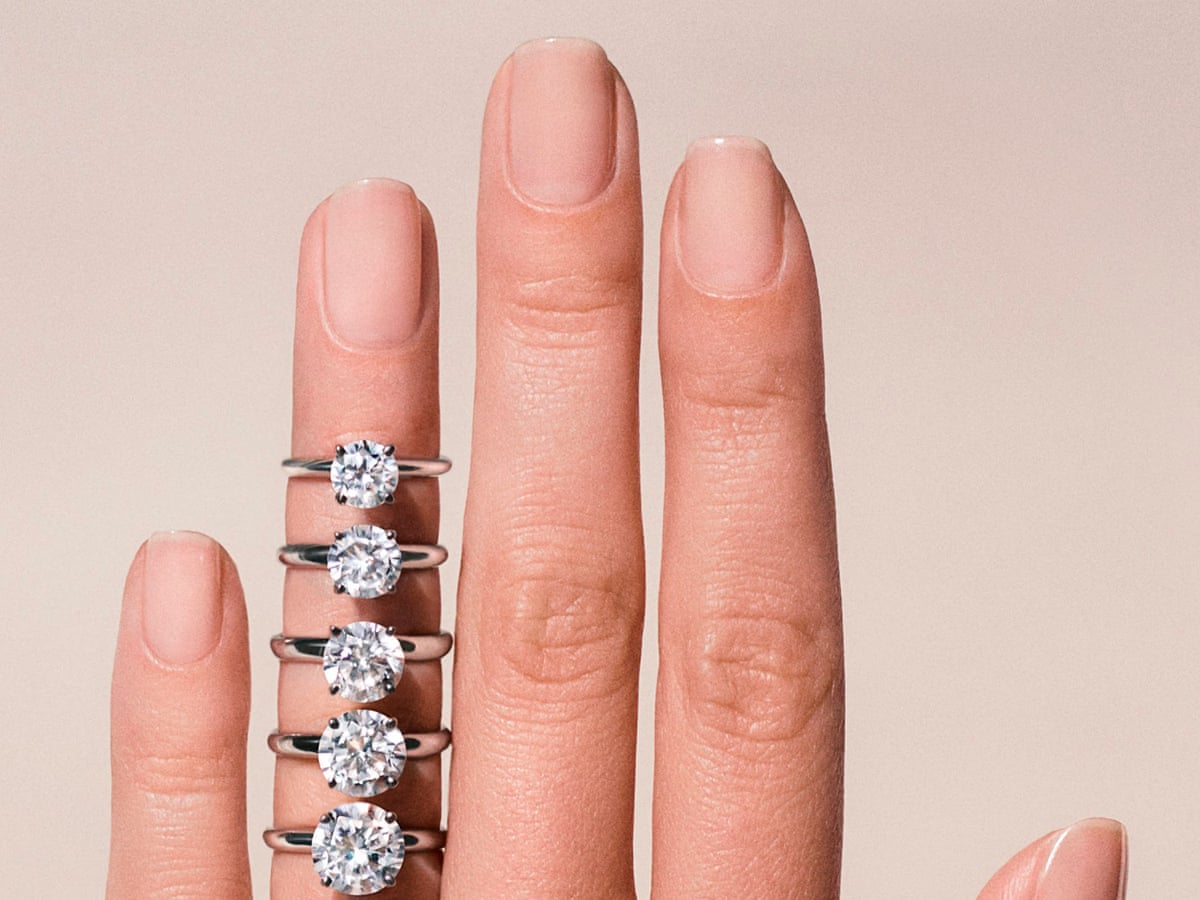
As documentaries and investigative reports shine a light on the horrors of blood diamonds, public sentiment has shifted. Millennials and Gen Z consumers, in particular, are prioritizing ethical sourcing in their purchases. Lab grown diamonds have gained traction among couples looking for engagement rings that symbolize not just love but integrity.
The rejection of blood diamonds in favor of lab grown diamonds reflects a broader move toward transparency, sustainability, and ethical luxury in the jewelry industry.
Conclusion: Choose Love Without Compromise
The difference between blood diamonds and lab grown diamonds isn’t just about how they’re made—it’s about what they represent. While blood diamonds carry a legacy of violence, lab grown diamonds embody progress, compassion, and conscious living.
By opting for lab grown diamonds, you’re making a clear statement: that beauty should never come at the cost of human suffering or environmental destruction. In a world where your choices matter, choosing lab grown diamonds over blood diamonds is a decision you can be proud of.