Are Man Made Diamonds Worth It? A Clear Guide for Smart Buyers
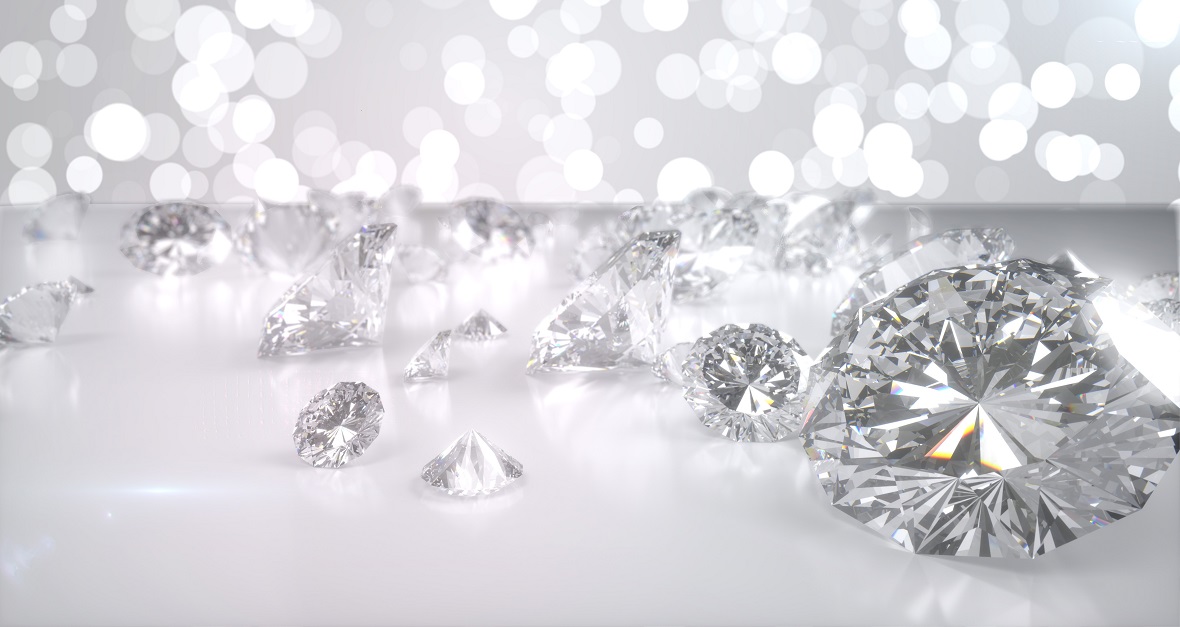
These lab grown stones now play a major role in how people buy jewelry. Just as sparkly as mined ones, they catch light in the same dazzling way while costing less. A golden wedding band set with one feels right for many buyers these days. Beauty matches price, making it an easy choice without feeling like a compromise.
Here’s the thing – lab-grown stones aren’t mined. They’re built atom by atom in controlled spaces. Meanwhile, natural gems take shape under extreme heat and pressure far below ground. One comes from machines, the other from time and planet forces. Each ends up looking nearly identical once polished. Still, their beginnings couldn’t be more different. Origins matter, even when sparkle doesn’t show it.
Table of Contents
Man Made Diamonds Explained?
From start to finish, human-made diamonds go by names like lab-grown or synthetic, yet still count as genuine gems formed inside labs under careful conditions. Unlike pretend versions such as cubic zirconia, these aren’t knockoffs at all. Their inner makeup – how they react to light, how they feel, what they’re built from – matches exactly that of earth-mined stones. Even though birthplace differs, every core trait stays identical.
Put plainly, these gems consist of nothing but carbon atoms lined up just like those found in natural diamonds. Though different in origin, their inner pattern matches exactly what you’d see underground. A lab grows them, yet the building blocks stay identical. Even so, light behaves the same when passing through. Their sparkle comes from the very same atomic layout nature uses deep below ground.
Out of nowhere, De Beers Group began shaping how people see man-made stones. Meanwhile, Diamond Foundry stepped in, quietly shifting tastes without fanfare. One moment these gems were rare; next, they’re common on fingers everywhere. Through steady moves, both changed what buying diamond means today.
Deep below Earth’s surface, natural stones take ages to appear. Weeks only pass before lab versions come together through precise science instead.
Lab Grown Diamonds How They Are Created?
One way to make lab grown diamonds involves high pressure techniques. Another path uses a chamber filled with gas that builds up diamond layers slowly. These approaches differ but both lead to real diamonds created without mining
1. High Pressure High Temperature
Deep underground, nature shapes diamonds slowly. Inside machines, people copy that process using intense heat instead. A tiny starter crystal sits at the center when pressure builds up. Crystals begin spreading outward from that point gradually. With enough waiting, what forms looks just like mined stone.
2. Chemical Vapor Deposition
A tiny diamond starter goes into a closed space full of gas heavy with carbon. Inside, heat kicks things off – carbon bits stack one after another, growing a real diamond bit by bit.
Fake gems made this way look just like real dug-up stones. Experts in shiny rocks sometimes require tools to spot the difference.
Thanks to newer methods, man-made stones appear often in high-end accessories like bands, pendants, and studs. These gems pop up more each year because production keeps improving behind the scenes.
Man Made Diamonds Offer Advantages
Some folks choose lab-made diamonds because they cost less. Yet others care about where their gems come from. A few want something that feels more modern. Still, some trust the new method more than digging deep underground. Most just like having another option when shopping
More Affordable Prices
Most times, lab-made diamonds come in at prices 30% to 60% below natural ones that look just as good. Because of this gap, shoppers might get a bigger rock or something with better specs without spending more.
Ethically Sourced
Born in labs, these stones skip the digging entirely. Because of that, forests stay put and rivers run clear. Workers face fewer dangers, communities feel less disruption. No need to move earth means less harm overall.
High Quality and Purity
Laboratory-grown stones tend to show exceptional purity in both transparency and hue. Since conditions during formation stay tightly managed, imperfections appear less frequently compared to earth-mined gems.
Eco-Friendly Choice
Produced using less land disruption, lab diamonds need power but typically impact nature far less than digging deep mines. Despite their electrical demands, these stones avoid massive earth removal common in traditional extraction.
These perks stand out to today’s partners, making lab diamonds feel right – particularly when crafting a yellow gold engagement ring. What matters most often shows up in quiet decisions like this one.
Yellow Gold Engagement Rings and Lab Grown Diamonds
Warm golden glow defines the appeal of a yellow gold engagement ring. Yet its charm stays fresh across eras. Pair it with lab grown stones, suddenly tradition meets today. The blend feels familiar. Still somehow new.
Sparkle jumps when light hits the stone, thanks to the warm glow underneath. Couples lean toward this mix – not too old-fashioned, yet familiar – when picking something that feels both fresh and timeless.
Yellow gold rings with lab-made stones catch eyes for a different cause. Because these diamonds cost less, picking bigger ones or fancier designs stays within reach. Money stretches further when the stone isn’t mined. Choices open up where they once felt out of bounds.
What catches designers’ attention is how freely they can experiment. Whether drawing from old-world charm or clean modern lines, these stones adapt without effort.
Man Made Diamonds Are Real Diamonds?
Funny how often folks wonder about that. Sure enough, it happens to be true.
Out of pure carbon, lab grown stones match mined ones in every way. These gems rate at ten on the Mohs scale – toughness like that sticks around. A solid choice when wear matters.
Most experts can’t tell them apart. What sets them apart comes down to origin alone.
For this reason, lab diamonds fit right into today’s jewelry world. Buy a necklace or perhaps a yellow gold wedding band – either way, the sparkle and toughness match those of natural stones.
Tips for Choosing the Perfect Lab Grown Diamond Jewelry
Choosing lab grown diamonds? Try these straightforward pointers to guide your decision: Start by checking the stone’s certification. Because quality varies, look closely at color and clarity grades. A diamond might shine bright yet carry flaws unseen. Instead of focusing only on size, weigh how it fits your style. Some prefer brilliance, others want durability. When comparing prices, remember extra features often cost more. Even small differences in cut affect sparkle. Since settings matter too, think about metal type before deciding. Each detail shifts both appearance and price
Check the 4Cs
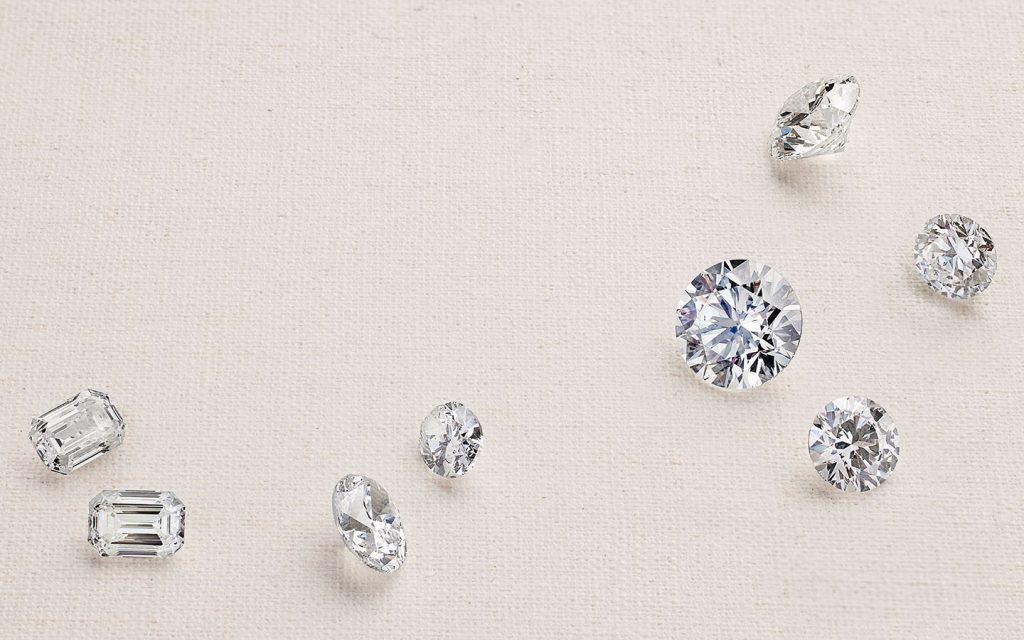
A man made diamonds gets its score the same way a mined one does – through cut, color, clarity, light performance, and size. Sparkle lives in the details when it comes to cutting precision.
Pick Someone You Can Trust
Start smart – choose only trusted jewelers or names with clear credentials. That way, a real lab-made diamond comes your way, backed by official papers.
Consider the Environment
A different backdrop might just shift how your jewels appear. Take a golden band – it often brings out an old-world warmth, whereas its paler cousin leans into something sharper, newer.
Choose Your Size and Design
Because lab diamonds cost less, perhaps a bigger gem comes into view – or even an intricate setting you hadn’t first considered.
Spending extra moments on this choice might lead you to something that truly fits who you are. A slower pace lets meaning grow naturally. What matters most often shows up when rushed energy fades away.
Lab Grown Diamonds Become More Common
These days, diamonds grown in labs feel less unusual than before. A shift started slowly ten years back, then picked up pace without much noise. Beauty once tied only to mined gems now finds a match behind glass walls where crystals form under current and pressure. Value speaks louder when price tags stay lower without trading sparkle. Some buyers care about earth scars left by digging deep, others just like clean math on receipts. Choices grow wider while old ideas fade without protest.
Now you see stars, social media names, big stores – all choosing these stones. With better methods emerging, what comes out of labs gets easier to find, clearer to buy.
Now comes a change – people who buy jewelry care more about what it means. Not just how it appears matters, yet the beliefs behind it do too.
Conclusion
Sparkle by human hands now challenges old views on fancy gems. These lab-born stones shine just like earth-mined ones, yet cost less while skipping messy mining issues. Not dug up, still dazzling – priced kindly, shaped responsibly.
For necklaces, earrings, or even a bright yellow gold engagement ring, lab-made diamonds let people pick pieces that match how they live and what they can spend. These days, lots of pairs go for a warm-toned band paired with a stone grown in a lab – old charm meets new thinking without losing meaning.
One day soon, these stones might outnumber mined ones on store shelves. Beauty shows up differently now – cleaner, clearer, without harm piling up behind it. A new kind of sparkle sticks around because it makes sense, not just cents. Choices shift when people see what’s really inside the shine.