Oval Engagement Rings: Choosing the Perfect Fit
Table of Contents
Lab Grown Diamonds Explained
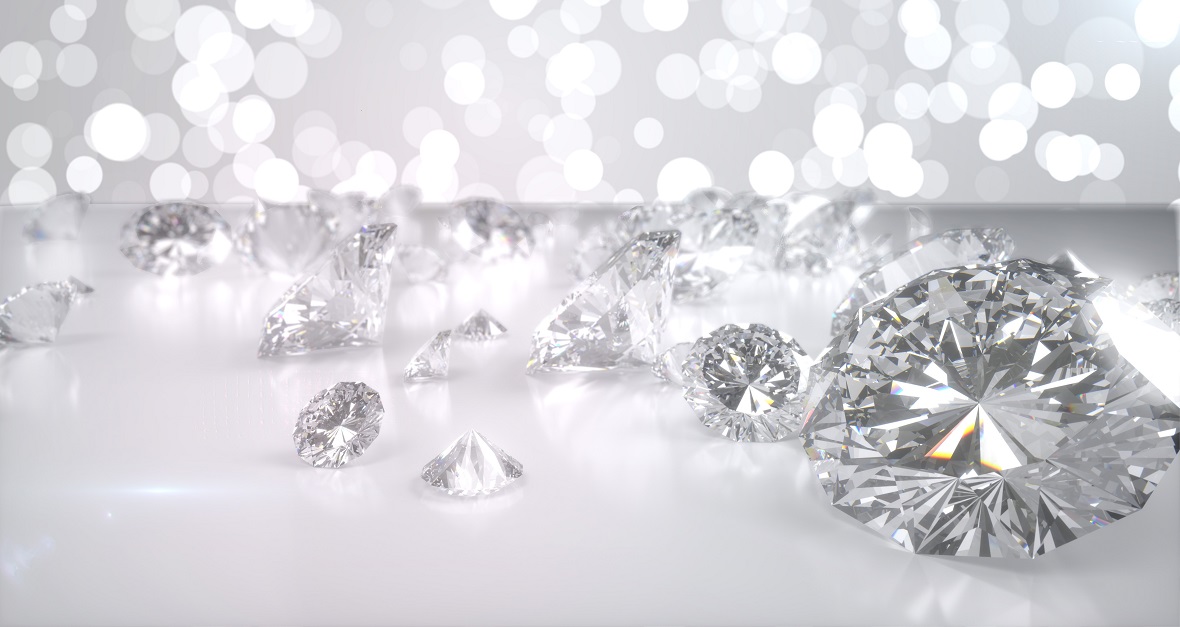
Inside labs, scientists make real diamonds that match those from deep underground. These stones act just like mined ones – same sparkle, weight, texture. A person cannot tell them apart without special tools. Their shine stays strong over years if cleaned and stored well. Shoppers often find larger sizes at lower prices compared to traditional options. A bigger stone or better purity is possible at lower cost – no need to pay extra for earth-mined gems. Fast progress in creation methods means lab-grown options are now common and reliable.
Lab Grown Diamonds How They Are Made
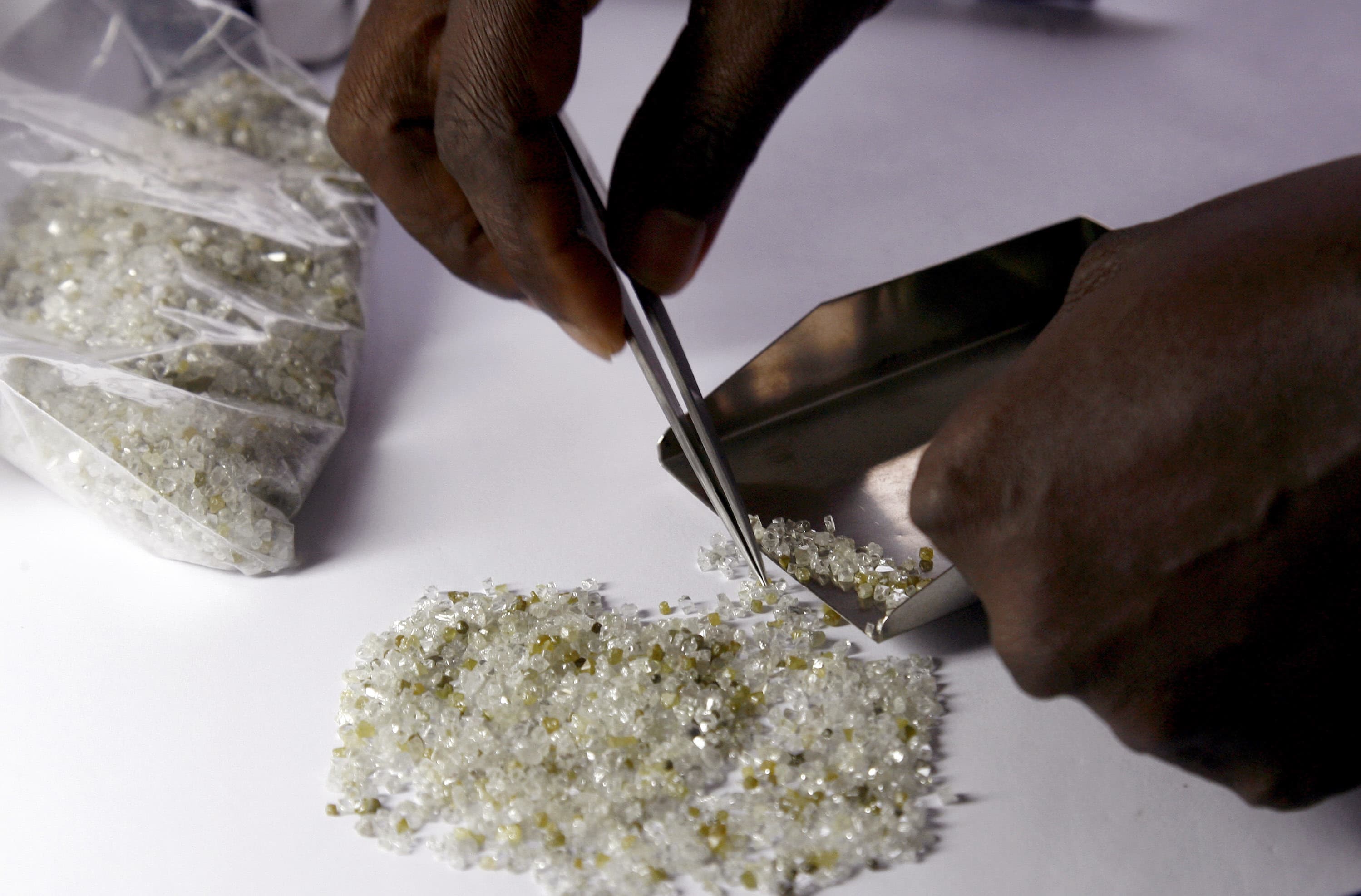
Fabricating synthetic oval engagement rings one of two ways. One path uses extreme pressure, another relies on gas under heat. Each route builds gems atom by atom, just outside Earth’s crust. Nature takes eons; these take weeks inside machines.
- A sudden burst of pressure, then extreme heat transforms carbon into a diamond-like state. This method copies how diamonds grow deep underground. Instead of waiting millions of years, it speeds up nature using force and fire. The result looks nearly identical to mined stones.
- A thin layer builds slowly when gas fills a sealed space. Over hours, carbon forms stone under controlled conditions. Instead of mining it, people make it using vapor inside tight rooms. Time changes the air into something solid and clear.
Identical in structure to those found underground, lab-grown stones take shape through different paths. One way uses intense heat and pressure, another relies on gases breaking down. These versions wear just like mined ones when shaped by tools. Their look matches perfectly under close inspection. Since people build them above ground, costs stay lower over time. Flaws appear less often because conditions are controlled tightly. Ethically, fewer concerns come up around land harm or labor issues. Seeing the process removes mystery about value. Each stone carries a history tied to science instead of deep-earth luck.
Laboratory Created Diamonds Offer Ethical And Environmental Advantages
A lab grown diamond might just skip the usual headaches of picking an engagement ring. Sometimes it lines up better with what people actually need. Problems like cost or sourcing fade into the background. Yet clarity stays sharp, choices stay wide. This path often feels simpler without losing meaning. It does not promise miracles. Just honest options that fit different lives.
- For the same money, a lab-grown gem might give you more size or better clarity than a mined diamond. Sometimes it stretches further when shopping for sparkle. Bigger doesn’t always mean pricier here. What matters is where the stone comes from – not just how it looks. Price tags surprise people who expect otherwise. A modest budget can reach farther than expected. Value shifts when origin changes. Same shine, different path.
- From a moral standpoint, lab created stones sidestep the issues tied to certain natural diamond mining. These include damage to ecosystems along with unfair labor practices seen in specific regions.
- What stands out? A steady level of finish means your stone can hit a truer note. Precision shows when tones line up without distraction. Fewer flaws enter the picture as standards hold firm.
A single-carat lab-made diamond could be priced thirty percent below a natural stone with matching quality. That difference opens room to spend extra on the band design or features you care about.
Selecting a Suitable Diamond
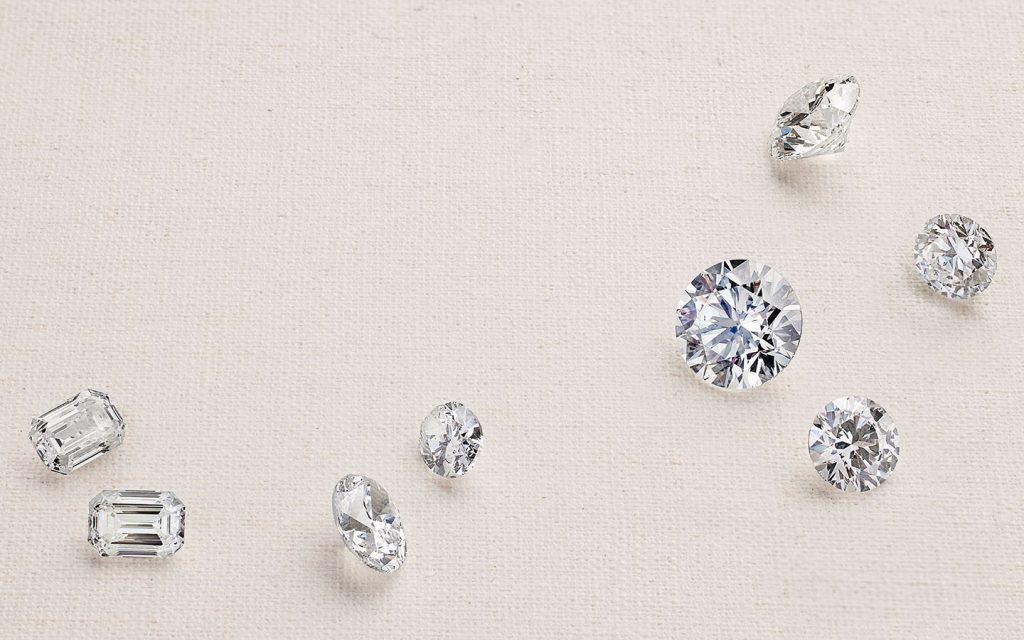
A good place to start? Look at how the stone is cut – this shapes its sparkle. Clarity matters just as much, since tiny marks can hide inside. Color steps into play too; less tint usually means a cleaner look. Carat weight rounds it out, tipping the scale on size and presence.
- Light performance depends on a diamond’s cut. When shaped just right, it sparkles more. The way it’s crafted changes how light moves through.
- Messiness tells a story – less clutter inside means the stone catches eyes easier. What hides beneath matters just as much as what shines up front.
- Some sparkle clear, others hold a soft hint of yellow. Clear stones show up less often yet catch the eye more.
- Weight matters more than looks when it comes to carats. One might assume bigger means heavier, yet often that’s not the case. Appearance can trick the eye, even if the number on the scale says otherwise.
A different mix works better once you know your priorities. Take clarity – sometimes a small drop makes no difference when the sparkle shines just right.
Settings and Styles
A lab created diamond fits just about every kind of ring style out there. Think single stone, surrounded by smaller ones, or three stones lined up together – each changes how it looks when worn. The way it catches the eye depends on the setting choice. Different metal types work well with these gems too. Brightness really stands out next to white gold or platinum. A touch of yellow or rose gold brings out the stone’s cozy glow. Your daily routine matters when picking a ring you’ll actually use. How much you plan to wear it shapes the best choice.
Caring for Lab Grown Diamonds
Even though these lab grown diamonds last long, they require routine care now and then.
- Start by rinsing the surface slowly with lukewarm liquid. A soft suds mix works well when applied with care. Wash without force, letting the solution do the work. Finish by drying it off right after.
- Steer clear of strong substances – they might weaken the structure.
- A yearly visit to a jeweler keeps your ring’s structure in clear view. One look can spot loose prongs before they cause loss. Safety grows when small details get attention each twelve months. A trained eye sees what daily wear hides over time.
A well-kept stone holds its shine a long while. Over time, attention keeps brilliance alive. Care today means light tomorrow lasts. A little effort now protects future gleam.
Frequently Asked Questions on Lab Created Diamonds
Are lab grown diamonds real?
True. Just like earth-mined ones, these stones match exactly in makeup and structure. Not fakes in any way.
Do lab grown diamonds lose value?
Even though they keep their worth, selling them again might bring less money compared to natural stones. What you get back at first feels more fair.
Most people cannot spot a distinction between lab created stones and those mined from the earth.
Without the right tools, spotting them is impossible. Same appearance when seen up close.