The Quiet Power of a Diamond Tennis Bracelet: Why This Classic Still Matters
I didn’t always get the diamond tennis bracelet. For years, it felt like one of those jewellery pieces you admired from afar — elegant, sure, but maybe a little safe. Something you’d spot on your aunt’s wrist at a wedding, or glinting under the lights at a black-tie event. Lovely, but predictable.
Then I spent time talking to jewellers, stylists, and everyday women buying one for themselves — not as a gift, not for an anniversary, but simply because they wanted it. And honestly? My opinion shifted.
The diamond tennis bracelet has quietly evolved. It’s no longer just a symbol of formal glamour or old-school luxury. These days, it’s worn with linen shirts, office blazers, denim jackets, and even bare feet on holiday. It’s understated, versatile, and — when chosen well — surprisingly personal.
So let’s talk about it properly. Not the glossy catalogue version, but the real thing. What it is, why people still love it, how lab-created diamonds have changed the game, and how to choose one without feeling overwhelmed or upsold.
Table of Contents
What Exactly Is a Diamond Tennis Bracelet?
You might already know this, but the name has a fun backstory. The term “tennis bracelet” became popular after tennis champion Chris Evert famously lost her diamond bracelet mid-match at the 1987 US Open. Play stopped while she searched for it, and suddenly, everyone wanted that bracelet.
Design-wise, it’s simple — and that’s the point.
A diamond tennis bracelet is a continuous line of individually set diamonds, usually uniform in size, linked together so the bracelet moves fluidly around the wrist. No chunky centrepiece. No dramatic twists. Just a clean, uninterrupted sparkle.
That simplicity is exactly why it’s lasted. Trends come and go, but a well-made tennis bracelet doesn’t scream a specific era. It just… works.
Why It’s Still One of the Most Wanted Pieces of Jewellery
You’d think after decades of changing fashion cycles, something newer would’ve replaced it. But the diamond tennis bracelet keeps holding its ground, and there are a few reasons why.
First, it’s incredibly wearable. Unlike statement cuffs or cocktail rings, it doesn’t demand attention — it earns it quietly. You can wear it daily without feeling overdressed, which is rare for diamond jewellery.
Second, it layers beautifully. Stack it with a watch, mix it with bangles, or let it shine solo. There’s no wrong way to wear one, and that flexibility makes it appealing across generations.
And third — and this one surprised me — many people see it as a confidence piece. Not flashy, not loud, but steady. A kind of “I know who I am” accessory.
The Shift Towards Lab Created Diamonds (And Why It Matters)
This is where the conversation gets interesting.
Ten years ago, lab-created diamonds were still treated with suspicion. People assumed they were fake, inferior, or just a trend that wouldn’t last. Fast forward to now, and they’ve become a serious, respected choice — especially for diamond tennis bracelets.
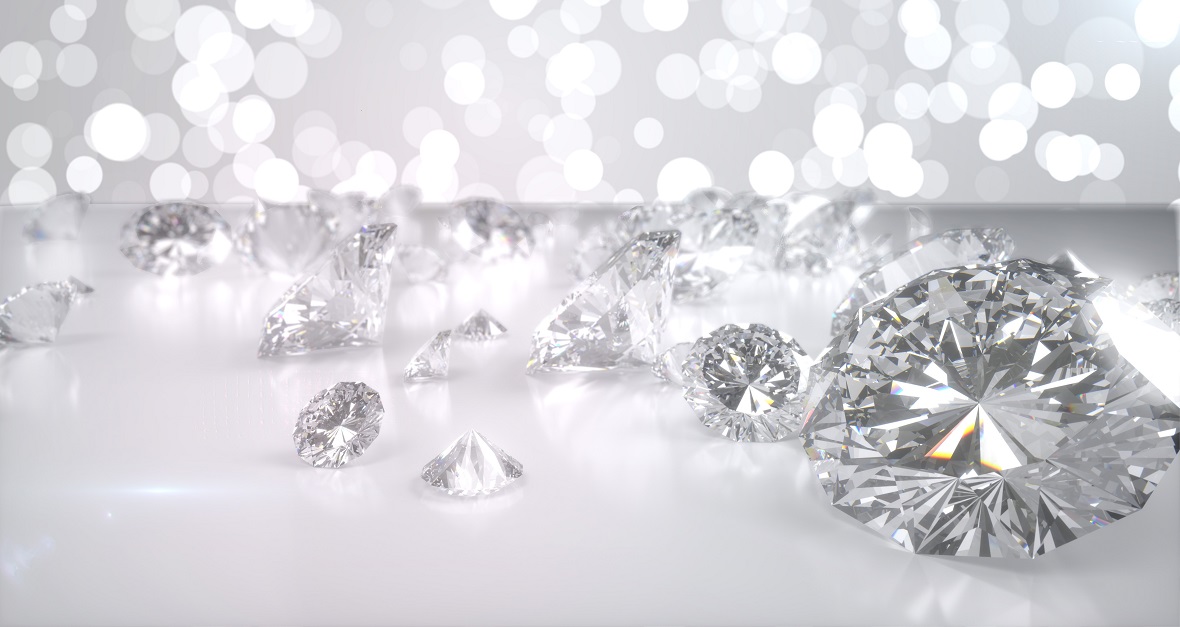
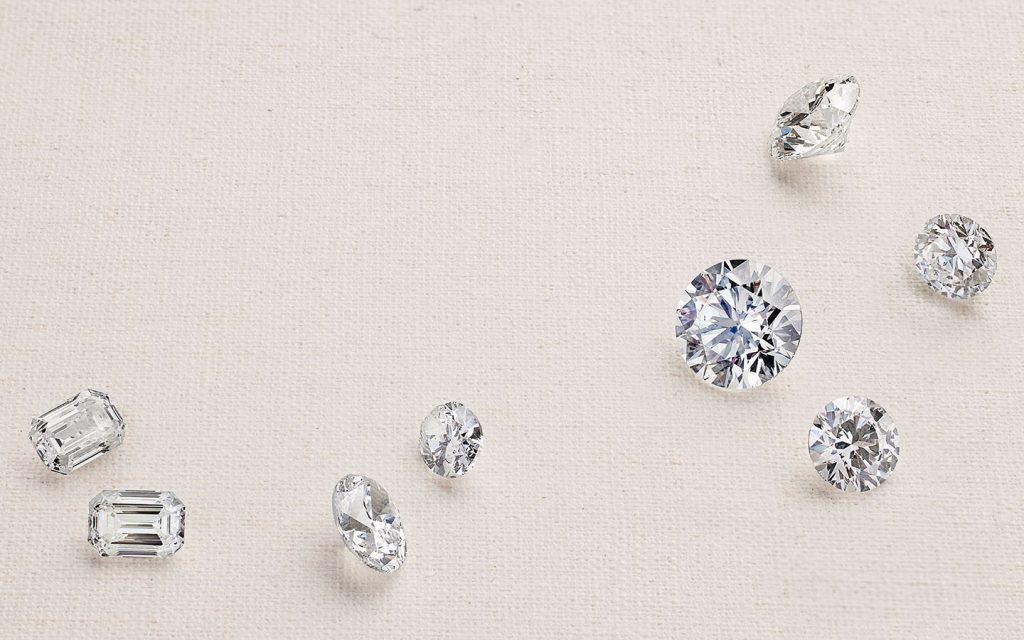
If you’re not across it yet, lab created diamonds are chemically and visually identical to mined diamonds. Same sparkle, same hardness, same structure. The difference lies in how they’re formed, not what they are.
And for a bracelet that features dozens of diamonds — sometimes hundreds — that difference matters.
Choosing lab created diamonds often means:
- Larger total carat weight for the same budget
- More consistent stone quality across the bracelet
- A lighter environmental footprint
- Greater transparency around sourcing
I’ve spoken to buyers who said they never would’ve afforded their dream tennis bracelet if they’d gone the traditional route. Lab-grown options made it accessible without sacrificing quality or aesthetics.
If you’re curious about the practical side of this shift, this guide on lab created diamonds breaks it down in a refreshingly straightforward way.
How to Choose a Diamond Tennis Bracelet Without Regret
Here’s where people tend to get stuck. There are so many options — carat weights, metal types, clasp styles — that it’s easy to feel lost.
Let’s simplify it.
1. Start with How You’ll Actually Wear It
Be honest with yourself. Is this a daily piece or a special-occasion one? Something you’ll wear to work, or something reserved for evenings?
For everyday wear, many Australians lean towards a medium total carat weight — enough sparkle to feel special, but not so much that it feels impractical. For statement lovers, bigger stones can absolutely work, but comfort matters more than most people realise.
2. Pay Attention to the Setting
Prong settings are the most common because they let in maximum light, but bezel settings (where each diamond is encased in metal) offer extra security and a slightly more modern look.
If you’re active, travel often, or plan to wear the bracelet constantly, sturdiness is not something to compromise on.
3. Don’t Ignore the Clasp
This sounds boring until it isn’t. A poorly designed clasp can make you nervous every time you move your wrist.
Look for a secure, double-lock clasp. It should feel solid, not fiddly. Trust me — peace of mind is part of luxury.
Metal Choices: Subtle Differences That Matter
White gold and platinum are the most popular choices for diamond tennis bracelets here in Australia.
White gold tends to be lighter and more budget-friendly, while platinum is heavier, naturally white, and extremely durable. Platinum scratches rather than chips, which some people prefer over time.
There’s no “better” option — just what suits your lifestyle and taste. I’ve seen stunning bracelets in both, worn beautifully for years.
Why Buying Online Isn’t as Risky as It Used to Be
Once upon a time, jewellery shopping online felt like a gamble. These days? It’s often where you’ll find better transparency and value.
Reputable jewellers now offer detailed specs, high-resolution images, certifications, and fair return policies. Some even specialise in modern designs using lab-grown stones.
If you’re browsing options, this diamond tennis bracelet guide is a good example of how much information is now available upfront — no awkward showroom pressure, no guesswork.
Caring for a Diamond Tennis Bracelet (Without Overthinking It)
One of the quiet joys of a tennis bracelet is how low-maintenance it is.
A gentle clean every so often — warm water, mild soap, soft brush — keeps it sparkling. Take it off before heavy exercise or cleaning, and have the settings checked once a year if you’re wearing it often.
That’s it. No elaborate rituals required.
A Piece That Grows With You
What I love most about the diamond tennis bracelet is how it adapts to different stages of life.
I’ve met women who received one as a milestone gift — a promotion, a personal achievement, a fresh start. Others bought one after years of waiting, finally choosing themselves.
Over time, it becomes more than jewellery. It holds memories. It marks chapters. It quietly witnesses your life without ever demanding centre stage.
And maybe that’s why it still matters.
In a world obsessed with the next big thing, there’s something grounding about a piece that doesn’t need reinvention to stay relevant. The diamond tennis bracelet doesn’t chase trends — it simply keeps shining, waiting for the right wrist, the right story, the right moment.