Pave Engagement Rings Explained With Man Made Diamonds
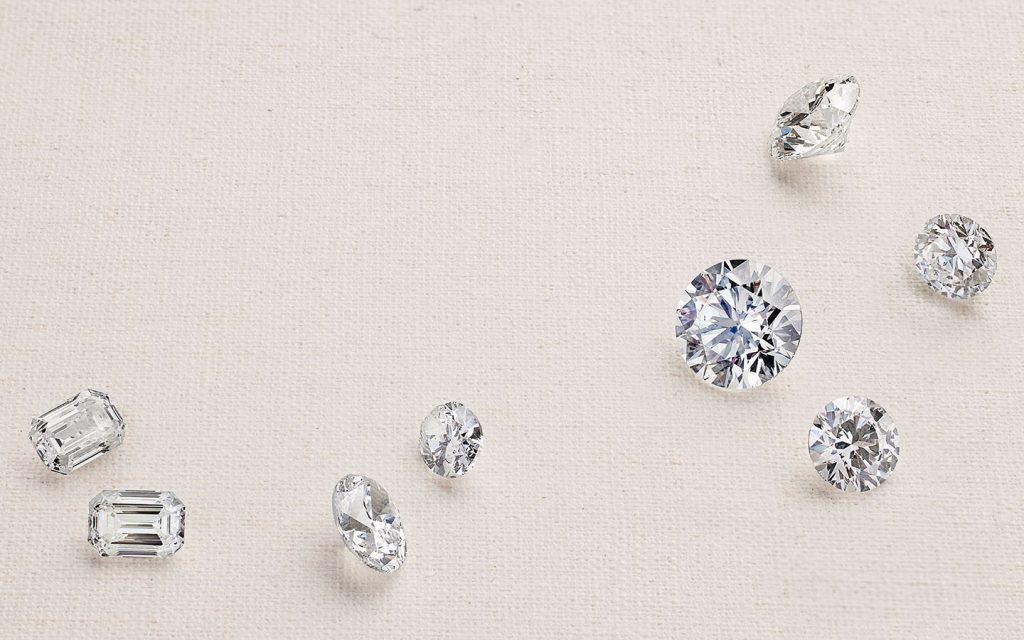
Real diamonds can be made by people in labs. Same atoms inside, just like Earth-made ones. Hardness matches exactly what you find below ground. Sparkle and shine look identical when hit with light. Origin sets them apart, nothing else really matters. No need for deep rock layers or ages passing by – machines handle the process now. Scientists copy how nature works, only much faster this way. Not every approach works the same way. High heat plus intense pressure shapes one kind of lab stone. A different method builds gems from carbon gas. These processes result in crystals that look just like natural ones – no eye can tell. When picking jewelry crowded with tiny stones, knowing how they’re made becomes useful. Only then does the choice feel clear.
Table of Contents
Why small diamonds change the decision
Tiny diamonds sit nearly touching one another in pave engagement rings. Light spills across the band like scattered sparks instead of pooling at one point. What stands out shifts entirely here. Uniformity takes priority over uniqueness when every stone must match its neighbor. Stones should look alike – color, clearness, size – all lined up right. Held tight, so they stay put. They need to last. Lab-made diamonds simplify things. These gems come out exactly how needed, every time. Think of a tiny row set with 40, maybe even 80 sparkles. Getting that many natural ones to match? More expensive. Much harder.
Cost control without visible compromise
Starting with a tighter wallet? Man made diamonds offer steady pricing that fits plans. Pave settings stack many tiny gems, so each extra sparkler lifts the total fast. Little differences per piece become big shifts on the bill. Swap in lab created versions, the ring still shines just right – yet stays within reach. What counts changes when skill in making beats where the gem came from. Putting extra into the design becomes possible. A wider ring band might be your pick. Higher quality surface work could get funded. These upgrades never show up on paper yet make a difference each time you wear it.
Durability and long term wear
Stone edges stick out more in pave set designs. That means keeping them safe matters a lot. How long it lasts depends on the gem’s toughness, also how well the metalwork holds up. Lab grown stones rate just as hard as natural diamonds do. Strength matches when you compare both kinds. A closer look shows scratch resistance stays the same. Problems start when craftsmanship slips. Attention works best on how it’s made
- Bead size and spacing
- Metal thickness between stones
- Setting method consistency
Faults in how it’s built or made – those show up here. Not tied to where the stone comes from, though. Found in construction flaws, never in natural roots.
Visual performance in real light
With a pave setup, how well it shines relies on how much surface area is covered, not how deep the stones go. Tiny diamonds send light bouncing fast. What you see hinges mainly on how accurately each stone is shaped, far more than its size in carats. Lab grown gems make it easier to fine tune those cutting angles precisely. Every part of the band catches light just right. Seen head-on or sideways, the ring holds its shine evenly. Flat spots never show up. Reflections line up without clash. Natural sunlight shows it clearly, also lamp-lit rooms.
Ethical and sourcing clarity
Now here’s another way it plays out: a few shoppers really mind where things come from. Meanwhile, others just need to see how it was made. Lab grown stones show every step they took to exist. Where they started is never hidden or vague. That means skipping hours spent digging into mine records or approval labels. Less mental load sits on certain folks because of that. Whatever the reason, it fits what they believe inside. Still, the facts stay clear no matter who looks.
Maintenance expectations
A single check every now and then makes sense, even if the diamonds are tiny. Worn day after day, little gems might shift slightly – nothing strange about that. The real point? How simple it is to fix later. A minor lab-created diamond swap tends to go faster, costs less too. That helps keep future upkeep steady. A single missing piece? Matching brings no trouble. Replicating hue and dimensions works just fine.
Resale and value perception
Most people keep engagement rings forever. Yet worth still plays a role. Not the tiny stones that line pave settings, but how well they’re set counts. What keeps their value is workmanship and wear over time. Lab grown diamonds look just like mined ones. Function stays the same too. Wear marks often matter less than how well the piece was built. When keeping price in mind later, pick timeless shapes along with stronger metals.
Who this choice works best for
When exact details matter, this choice fits. For strong visuals on a budget, it holds up. Clear origins and upkeep? That too. If rare finds excite you most, look elsewhere. Knowing that upfront keeps frustration at bay.
Choosing what comes last
Not how it was made, but how it sits on the hand matters most. Daily life shapes wear – consider that. Can you easily get to parts needing care? View gems where you live, not just in shops. Replacement policies should feel clear, not confusing. Origin fades next to craftsmanship. What catches your eye begins with choices people made.
FAQ
Man made stones – do they hold up less than earth dug ones?
Actually, they’re just as tough. Same strength level. Performance when used stays equal.
Stone loss in pave settings – how common is it really?
It depends on how it’s built. When done right, a pave setup keeps gems firmly in place.
Could someone spot the change right away?
Apart from origin, they look identical. Lab created stones match natural ones in every visible way. One cannot tell them apart by sight alone. Their crystal makeup stays the same regardless of how they form. Only testing reveals the source.